Caroll County DOT
Bidirectional fabric requirements shaped the material coordination for the I-55 bridge repair in Carroll County.
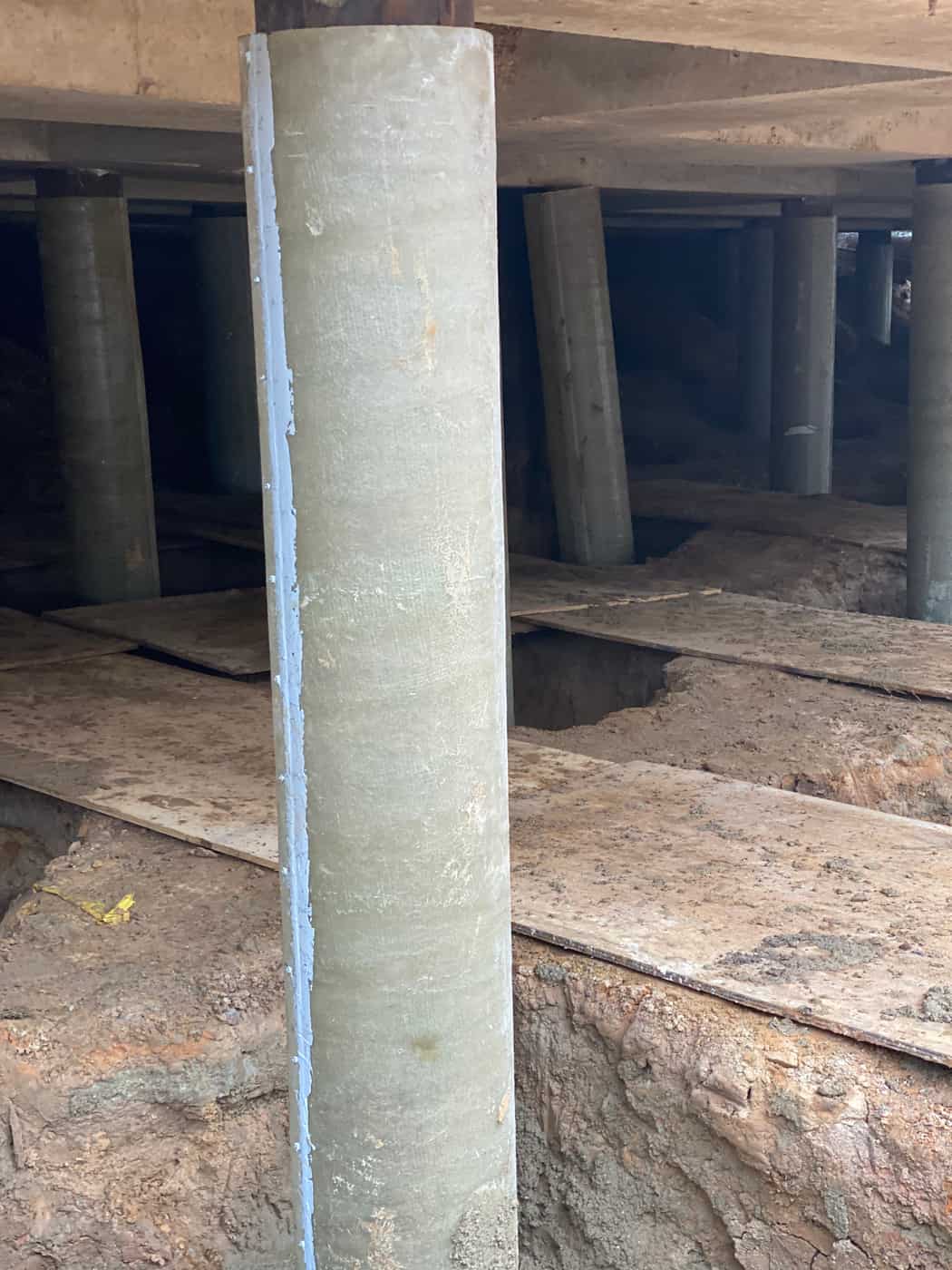
Delta Structural Technology completed FRP work on the I-55 bridge-repair project in Carroll County, Mississippi. The project’s submittal coordination focused on matching the fabric architecture to the plan requirements. A bidirectional fabric requirement shaped the revised material submission, emphasizing that fiber direction is a design property rather than an interchangeable product characteristic.
- Market
- Transportation
- Services
- Bridge FRP wrap
- Location
- Carroll County, Mississippi
Project challenge
The initial wrap-plan review identified a difference between the fabric proposed and the fabric called for in the plans. The project required bidirectional reinforcement, while the submitted plan referenced a unidirectional fabric. The reviewing agency also revised the minimum tensile-force requirement per layer. The revised submittal therefore needed to address both the fabric configuration and the updated design criterion.
Project approach
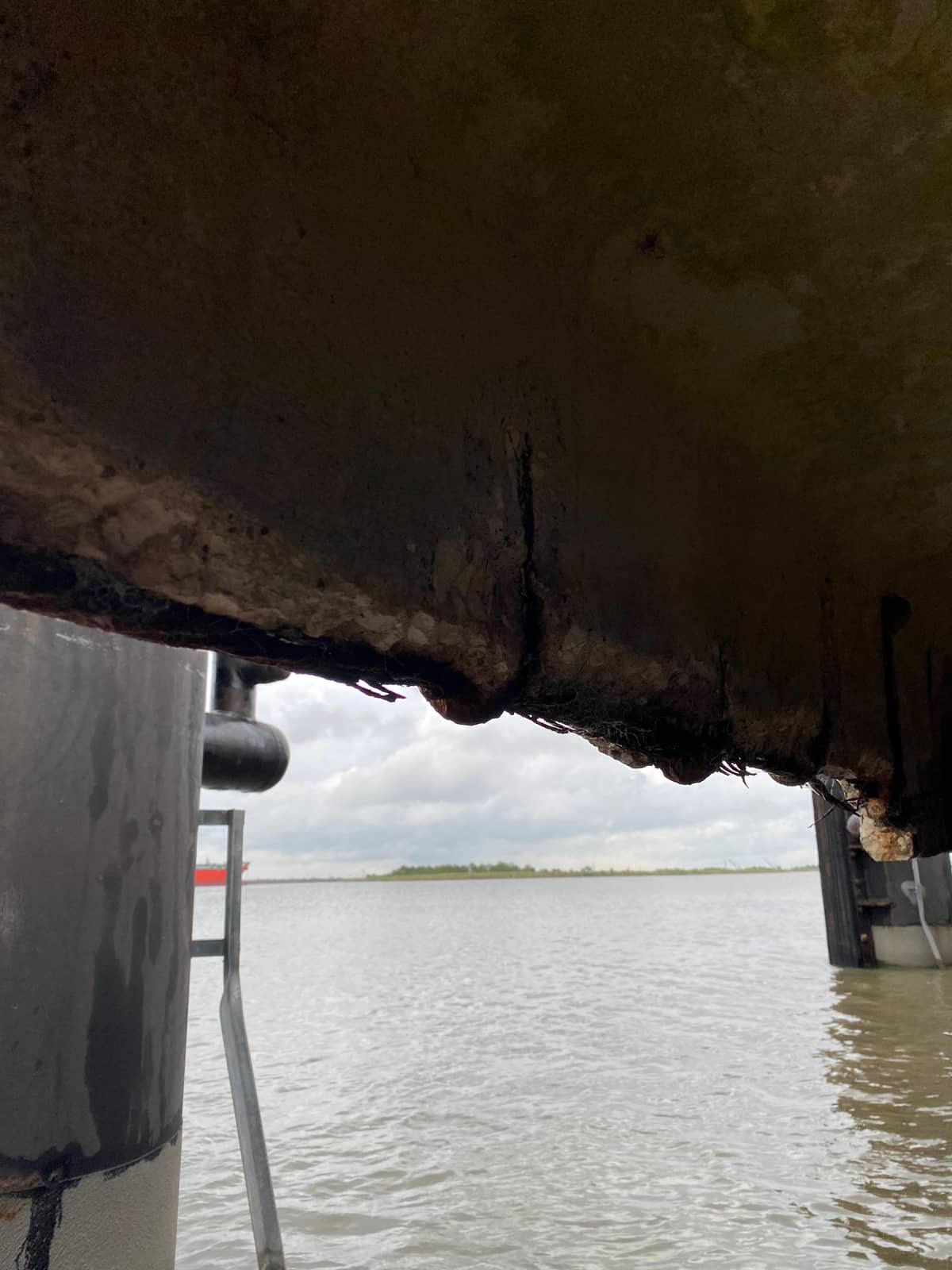
Delta coordinated product data for a bidirectional FRP system after the Mississippi DOT review. The revised material submission was to demonstrate conformity with the plan requirement and the revised minimum tensile force. The wrap plan also connected product data with a top-coat submission and photographs of the existing beam condition, bringing material selection and field context into the same review process.
Delivery and coordination
The process involved Key Constructors, Delta, and Mississippi DOT. Clear communication of the plan note and the agency’s revised criterion was needed so that the resubmission addressed the actual design requirements. This coordination linked the field wrap plan with the product information and the engineering review before the work proceeded.
Project significance
The Carroll County project illustrates the importance of fiber orientation in composite repair planning. Matching the reinforcement architecture to the design is a distinct technical task, separate from selecting a familiar FRP product. A structured review and resubmission process helps align the proposed material with the required behavior.