H013450 LA 27 I 10
Prestressing work, grouting, injection, and CFRP were coordinated within the LA 27–I-10 overpass repair package.
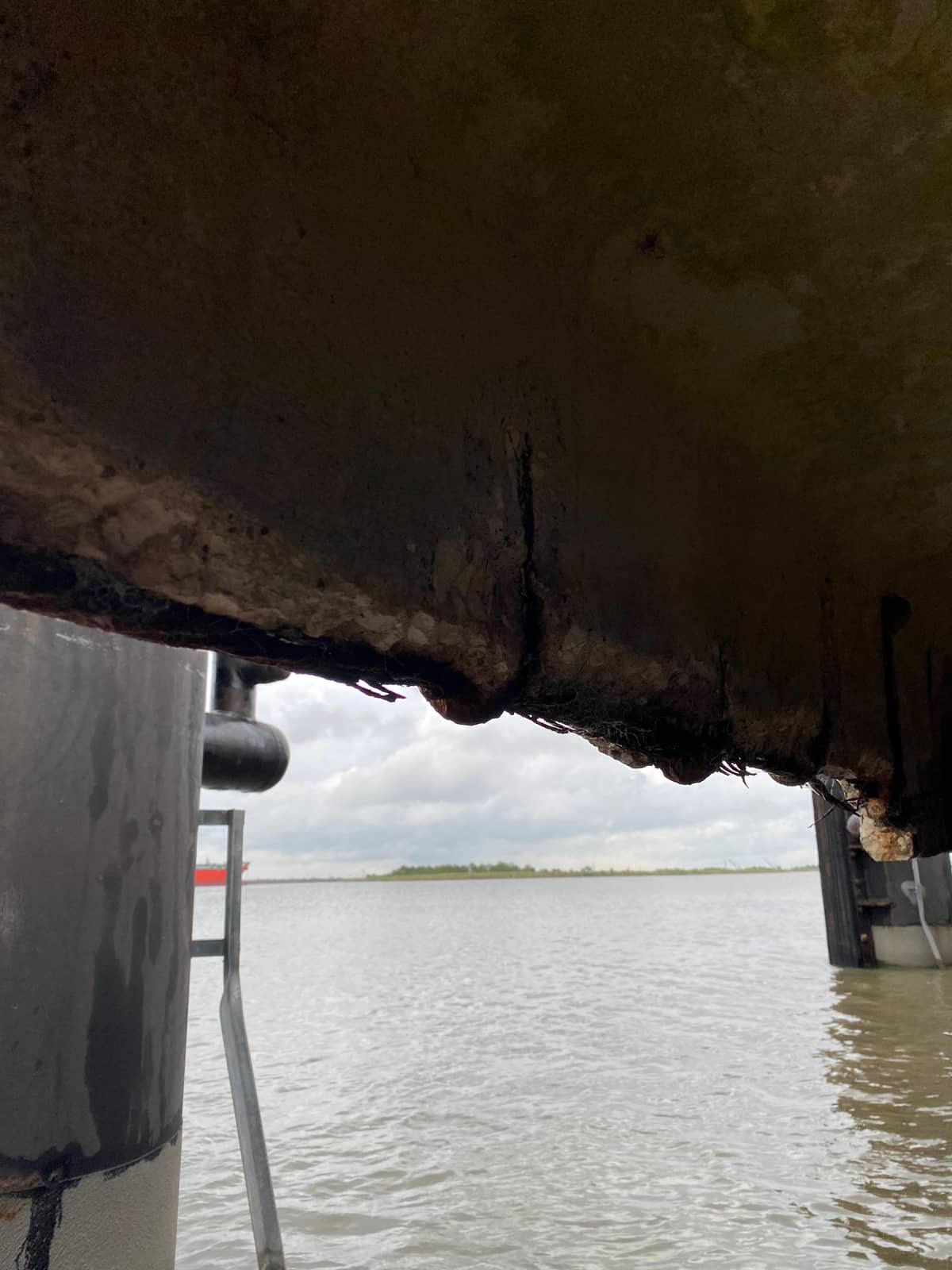
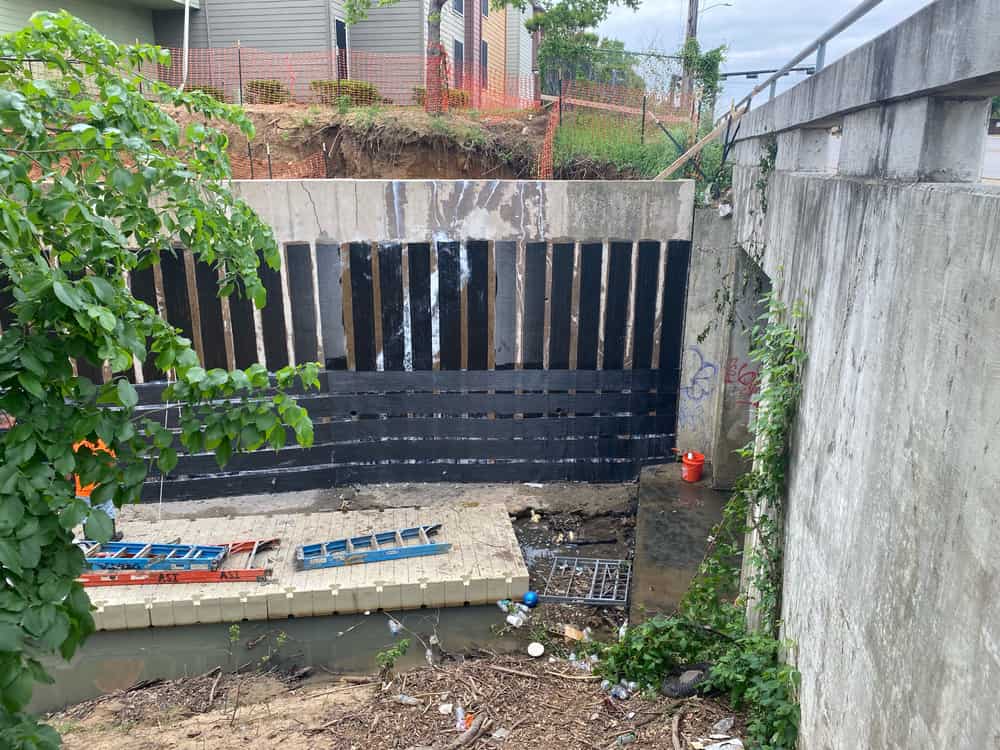
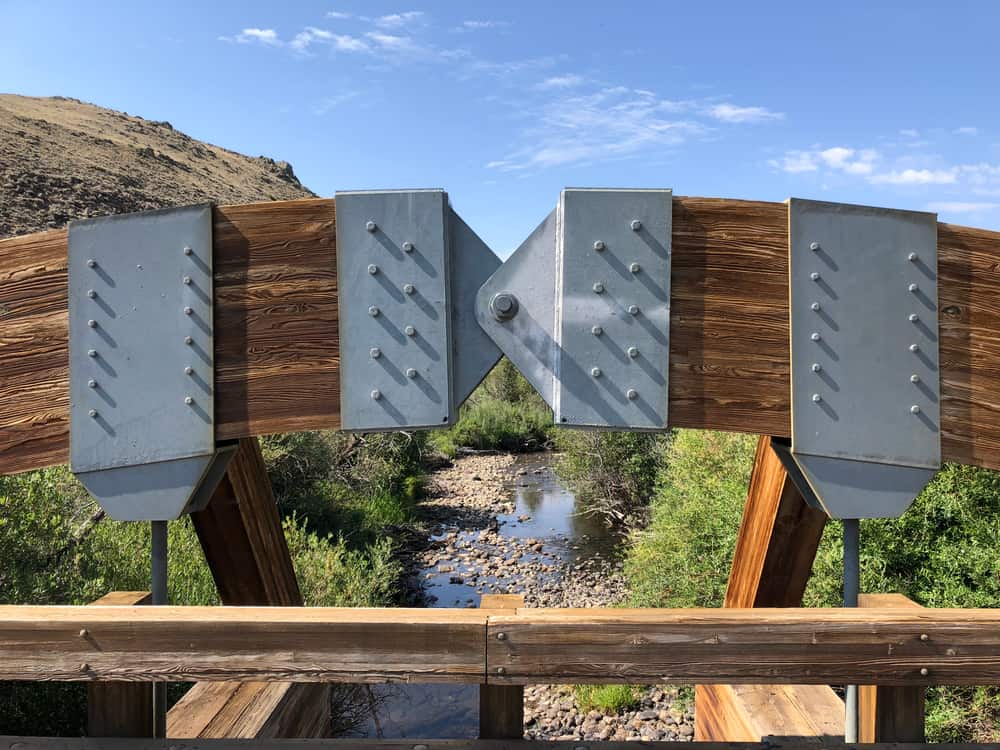
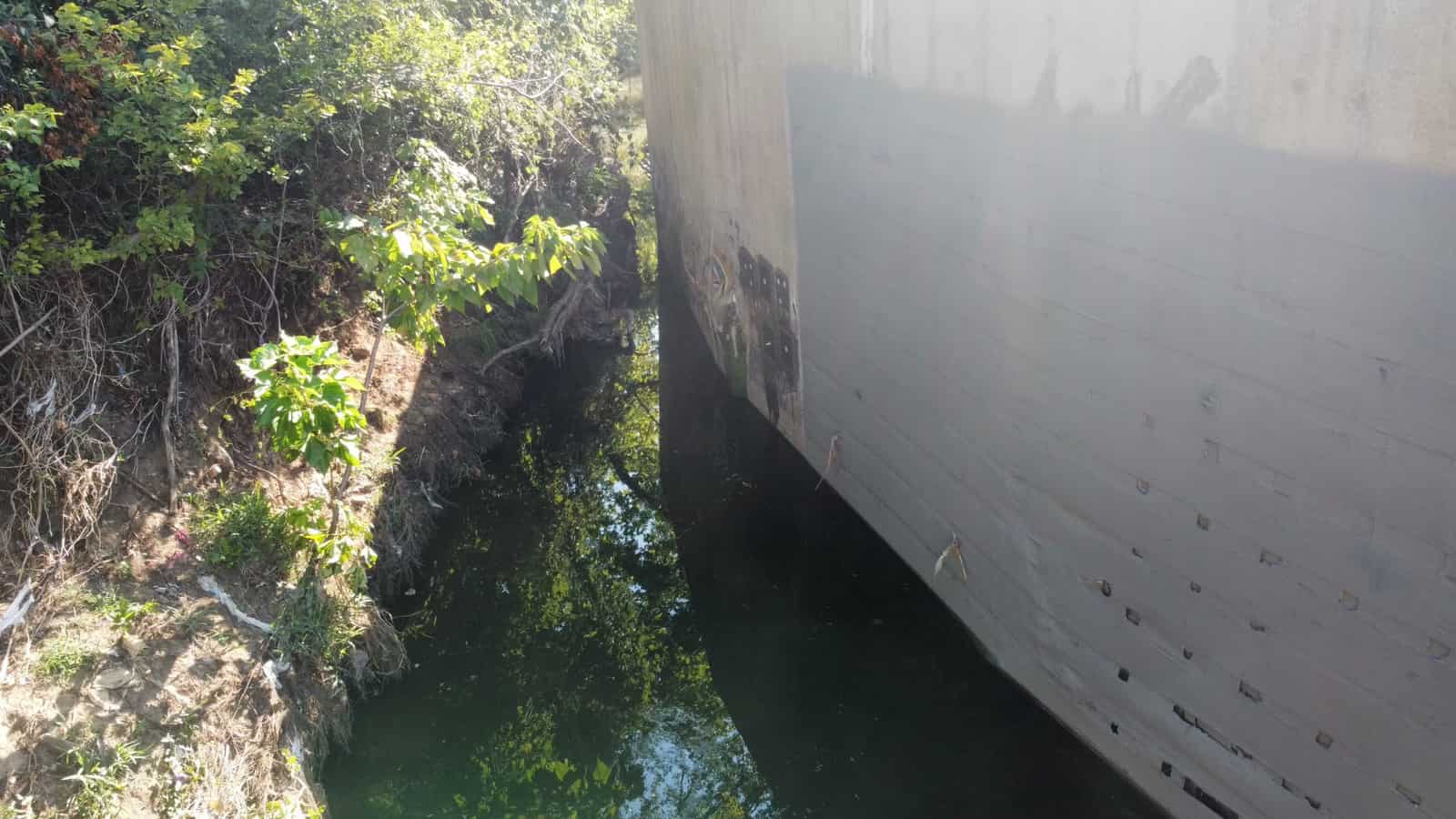
Delta Structural Technology completed work on Louisiana DOTD project H.013450 at the LA 27–I-10 overpass. The repair scope brought together prestressing-strand work, haunch grouting, epoxy injection, and carbon fiber reinforcement. The project illustrates a bridge intervention involving both the existing prestressed system and additional concrete and composite repair methods.
- Market
- Transportation
- Services
- Prestressed bridge repair and CFRP
- Location
- Louisiana
Project challenge
The work involved several repair mechanisms that required different technical documentation. Prestressing-strand splicing and tensioning called for forces, calculations, and personnel qualifications. Grout and injection materials carried their own compliance requirements, while the CFRP scope required daily inspection reporting. Managing those distinct requirements was part of coordinating a multi-method bridge repair.
Project approach
The project scope identified strand splicing and tensioning under the bridge-superstructure repair item, with the relevant work tied to plan sheet 101. Haunch grouting, epoxy injection, and CFRP repairs were separately identified. This division connected each repair method to its associated technical requirements and provided a structure for coordinating the work across the bridge components.
Delivery and coordination
Closeout coordination with Brown Industrial and LADOTD addressed the strand-work information, grout certificate, epoxy compliance documentation, and CFRP daily inspection reports. These requirements show the breadth of the technical record associated with the repair package. They also reinforce that a multi-method project depends on documentation for each system rather than a single general product submittal.
Project significance
The LA 27–I-10 project demonstrates the coordination needed when bridge repairs combine prestressing work with grouting, injection, and external composites. The technical value lies in keeping each method’s design, qualification, and inspection requirements connected to its field scope throughout the project.