Indorama Dock Rehabilitation Survey
Marine dock investigation combining concrete sounding, reinforcement assessment and component-specific recommendations for rehabilitation.
Delta Structural Technology completed an underside investigation of Indorama’s PNPP dock in Port Neches, Texas. The survey combined visual examination with hammer sounding to identify deteriorated concrete and evaluate the condition of exposed reinforcement. Its purpose was to translate the dock’s observed condition into a practical rehabilitation scope covering beams, bents, pile caps, webs, curbs and associated supports.
- Market
- Ports & Marine
- Services
- Concrete condition survey and repair planning
- Location
- Port Neches, Texas
Project challenge
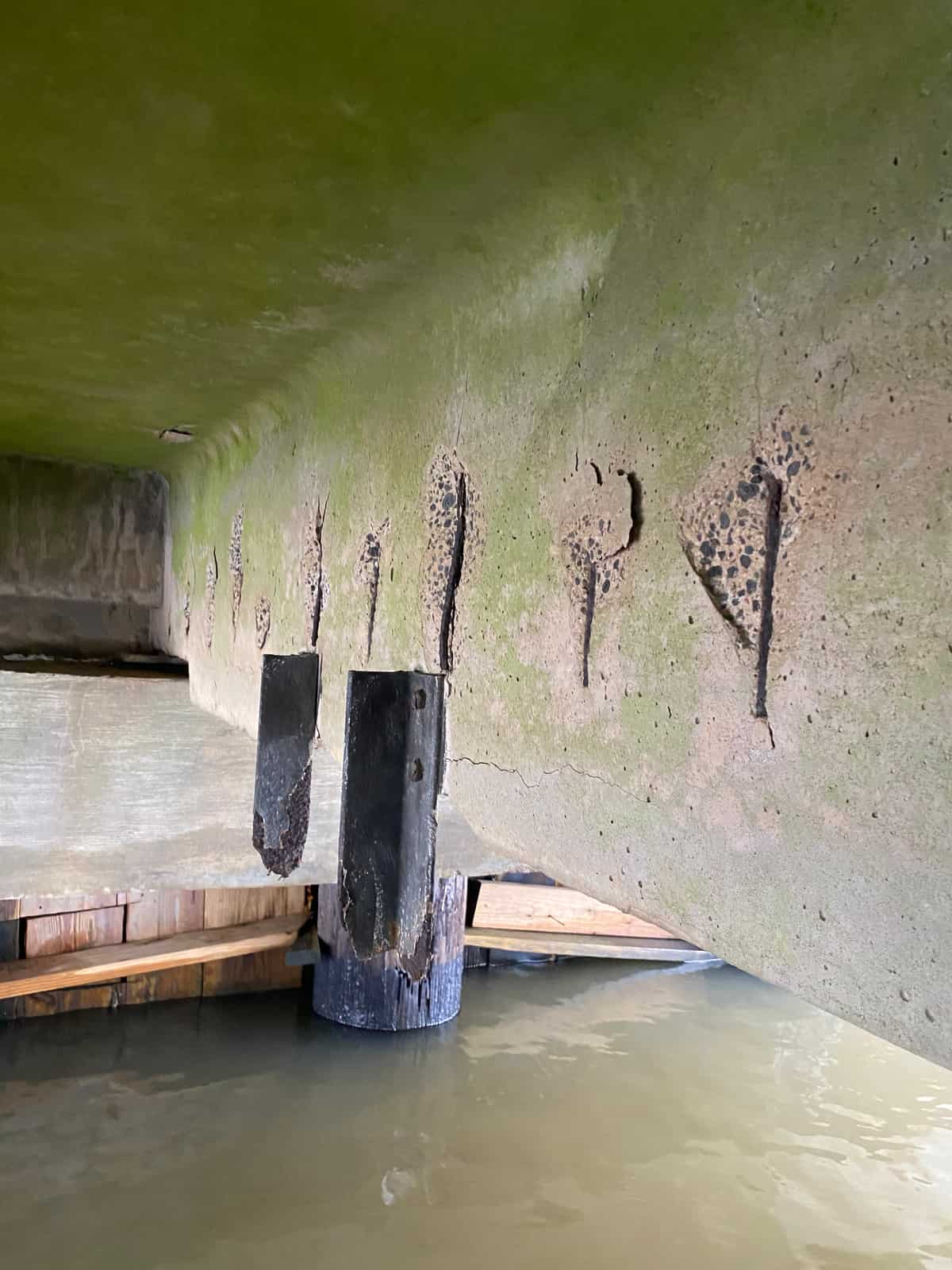
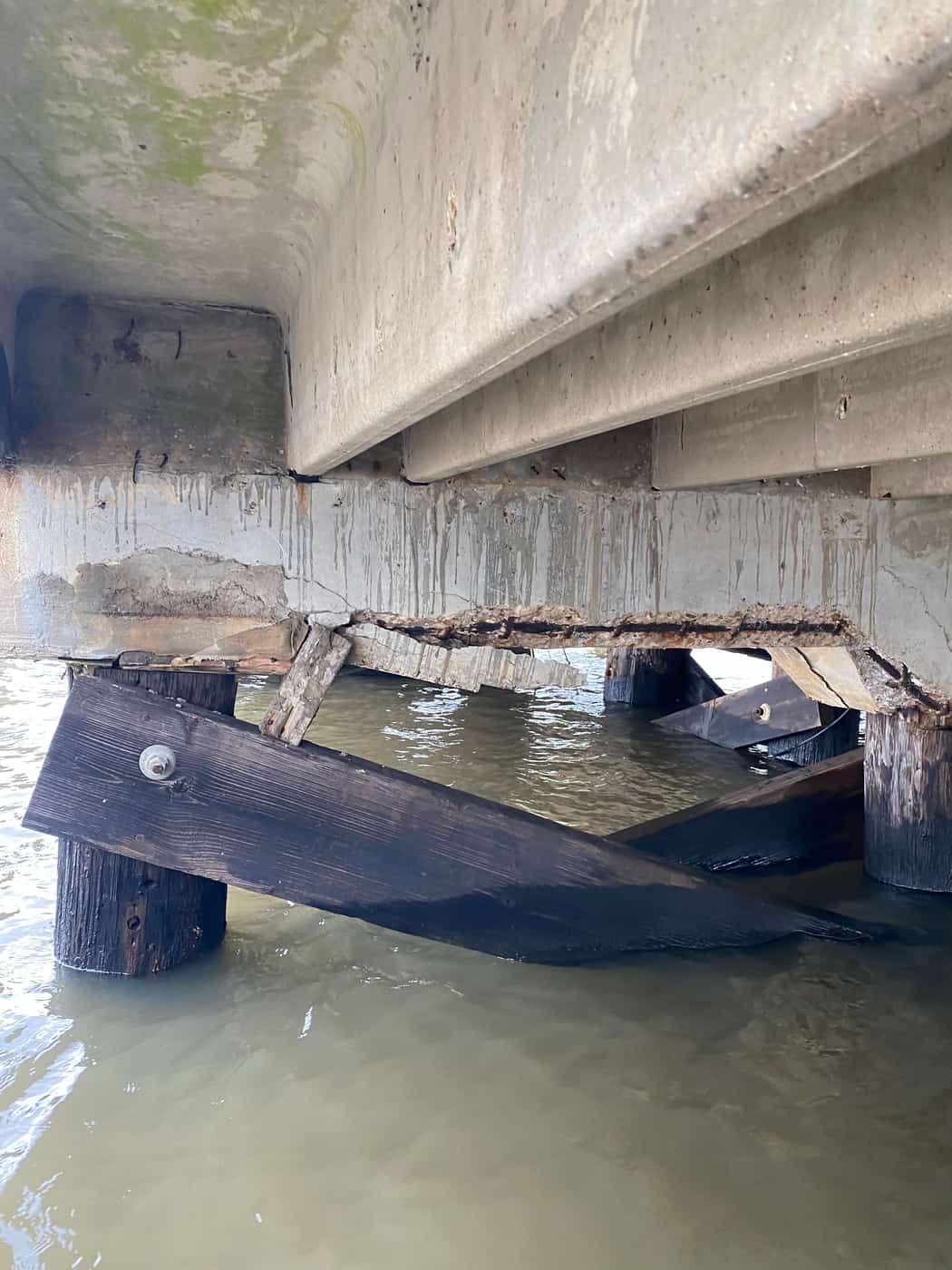
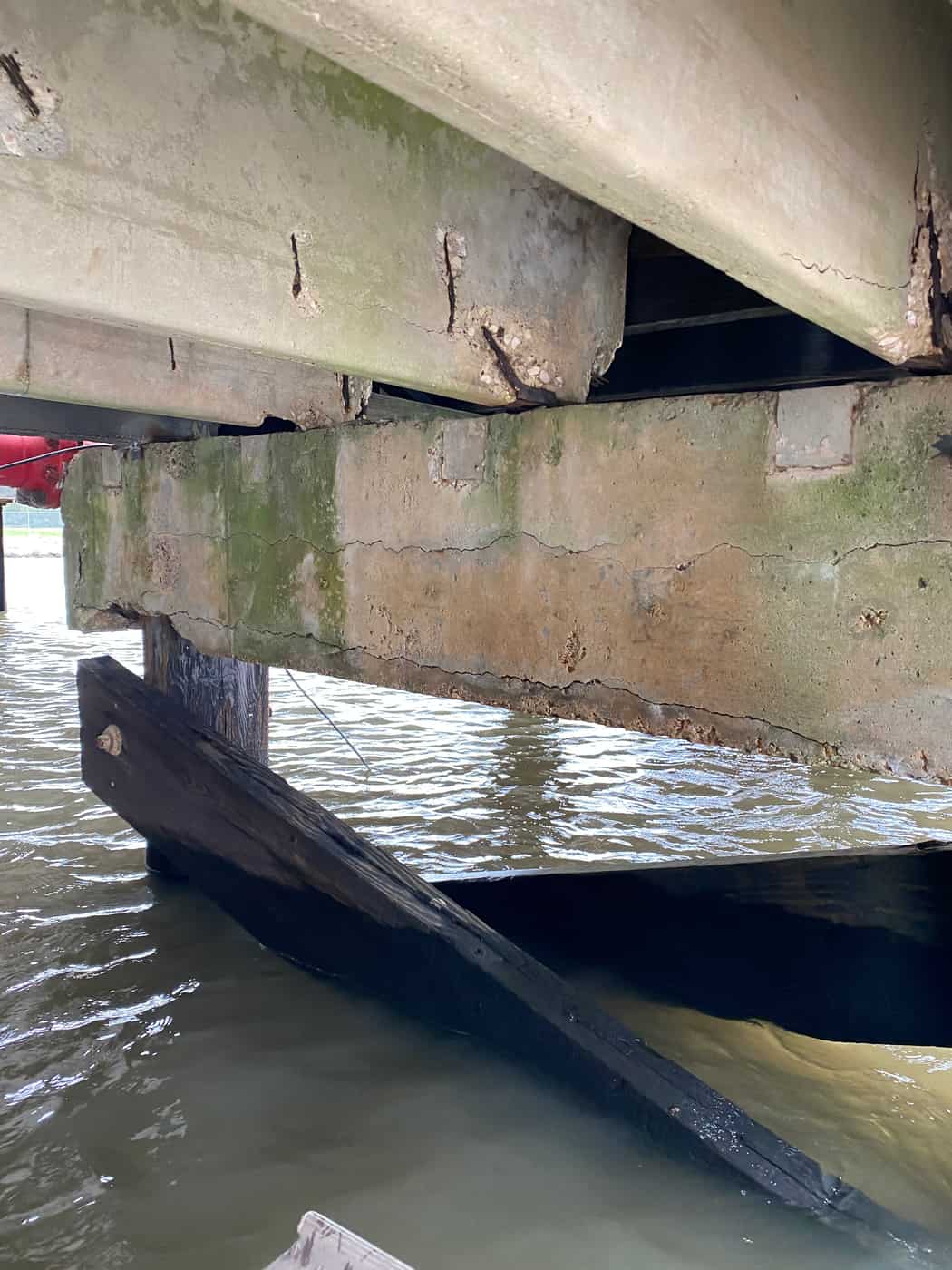
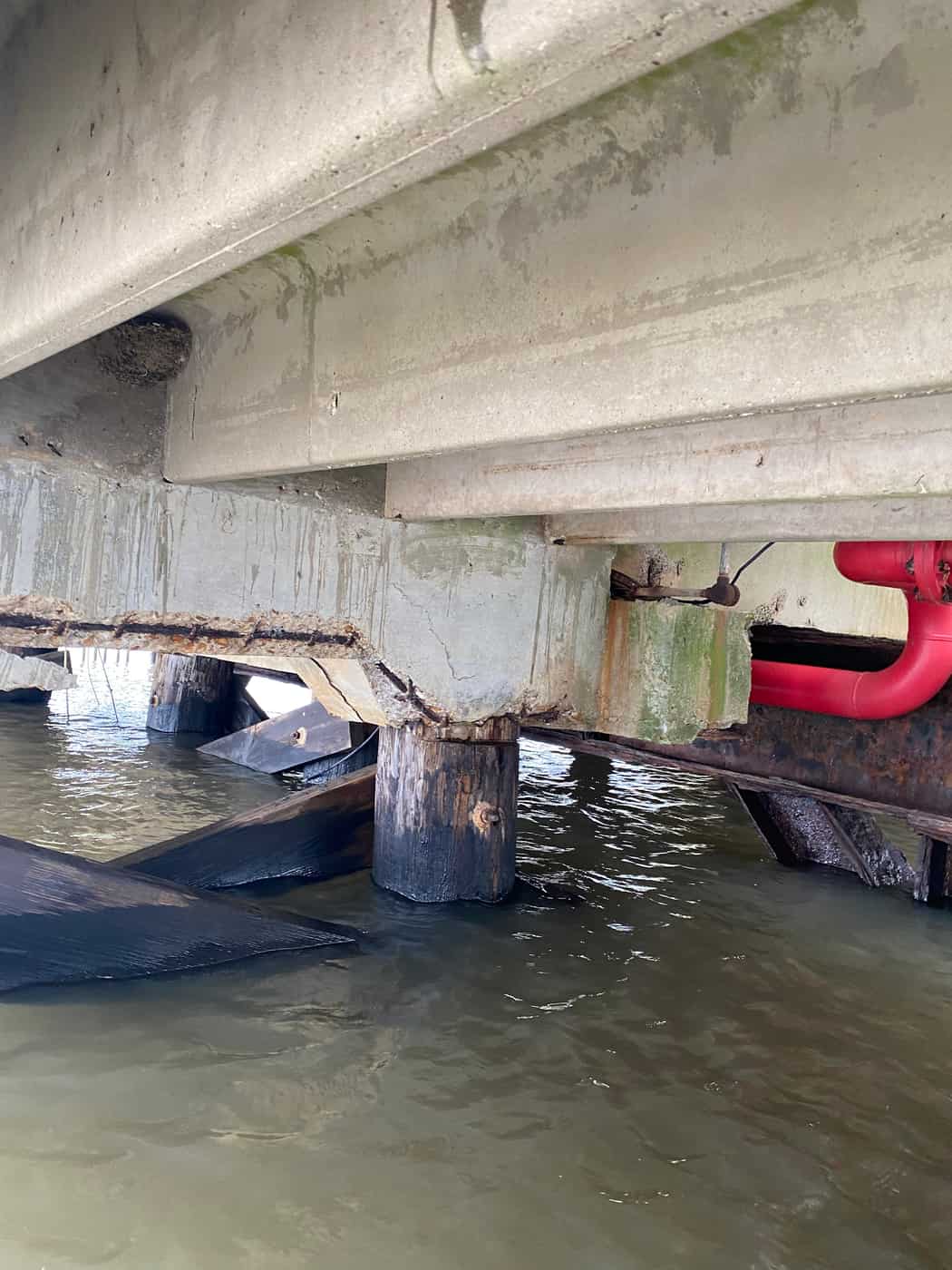
The marine setting made access a central part of the investigation. Delta recorded water conditions during the September 28 site visit and identified a project-specific access limitation for the underside of the dock. The inspection also found substantial loss of shear reinforcement in U-beams. Visible damage alone could not establish the full extent of delamination, so sounding extended the assessment beyond obvious surface defects.
Project approach
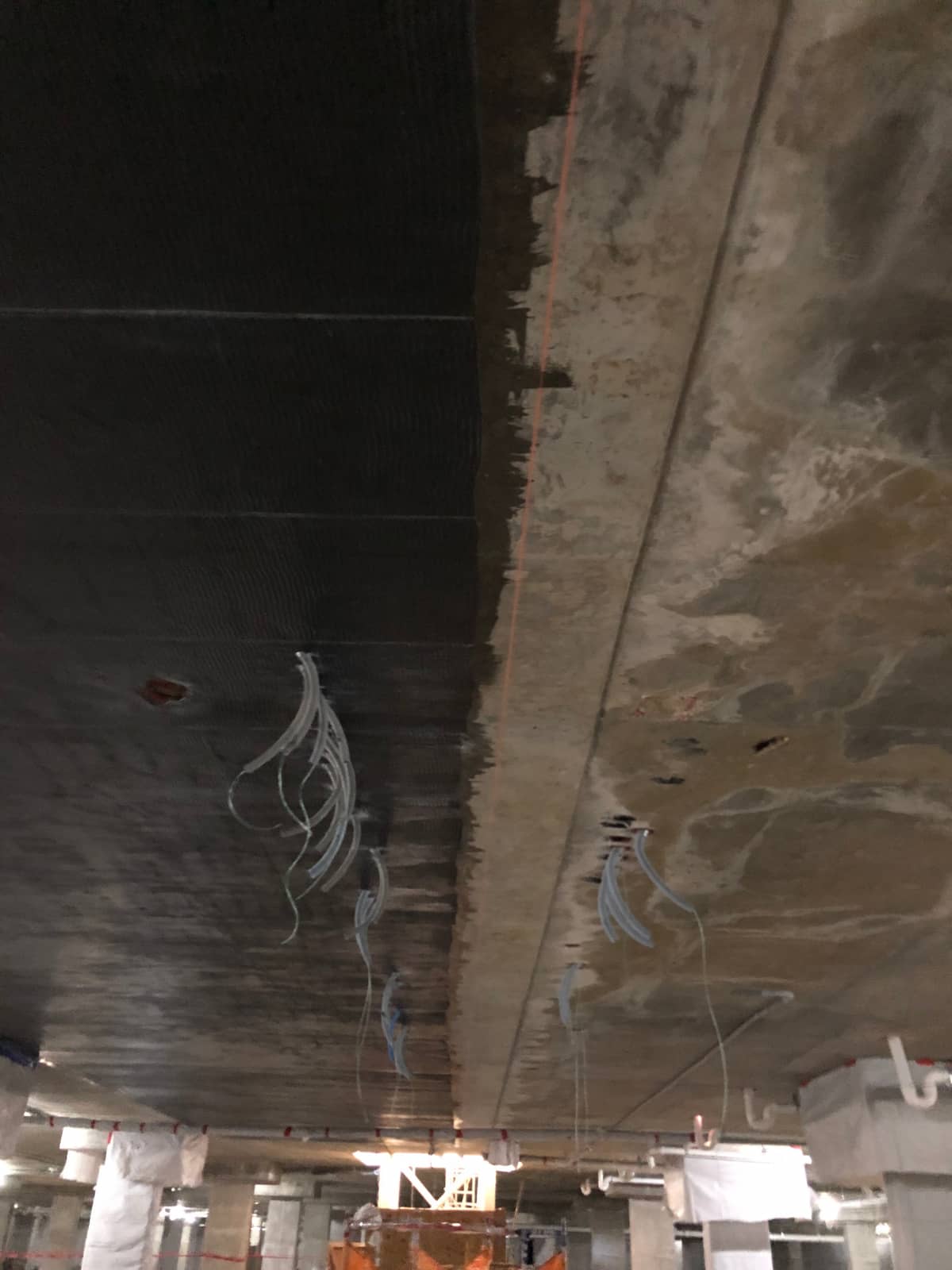
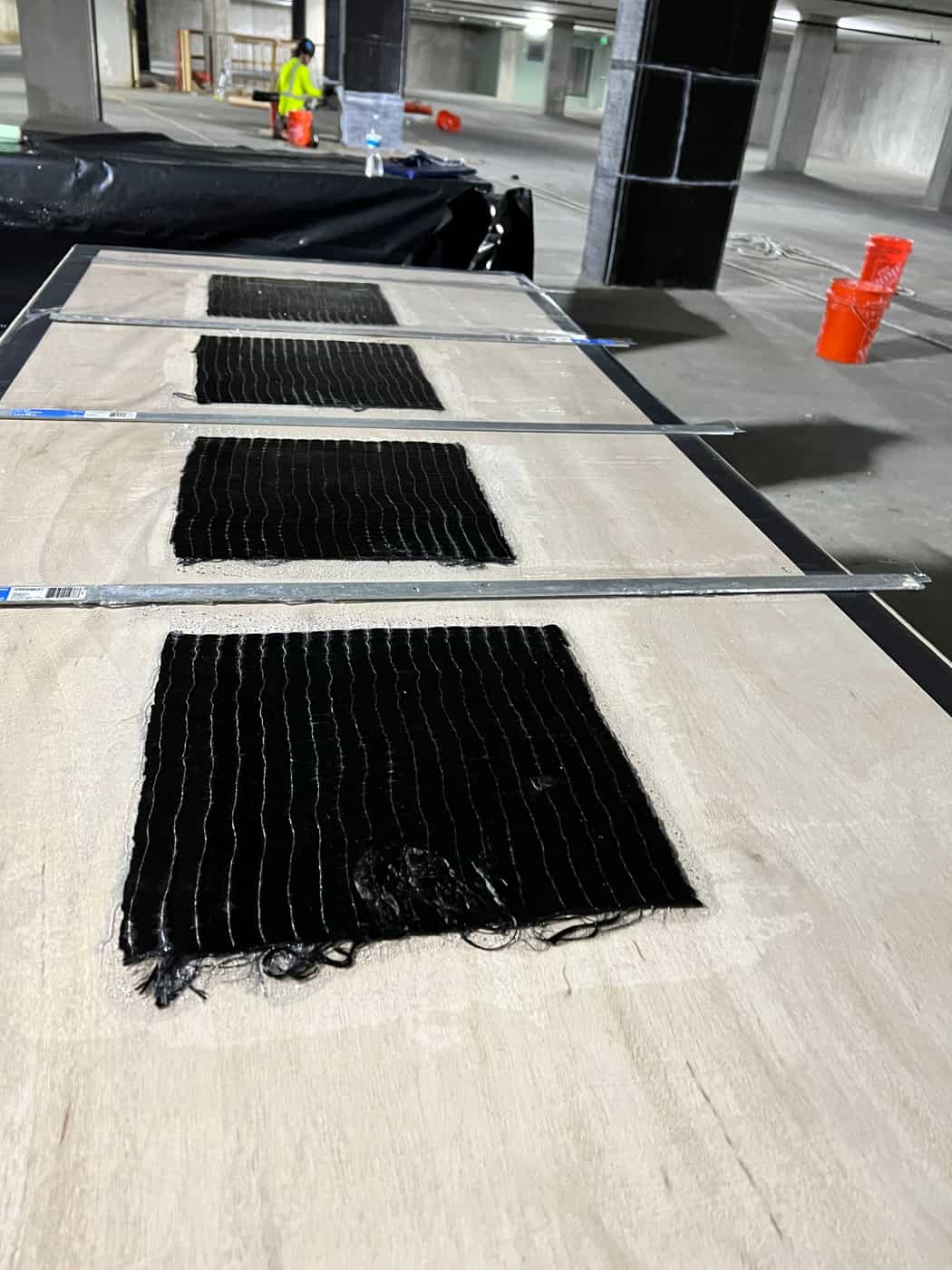
Delta used a preceding visual inspection report as the framework for its field investigation, then sounded both visibly delaminated areas and locations suspected of concealed separation. The resulting repair recommendations called for removal of unsound concrete, cleaning and evaluation of reinforcing steel, replacement of severely diminished steel and placement of marine-grade repair mortar. For selected members, the proposed rehabilitation added carbon fiber to beam soffits and U-wraps for flexural and shear strengthening, followed by a protective coating.
Delivery and coordination
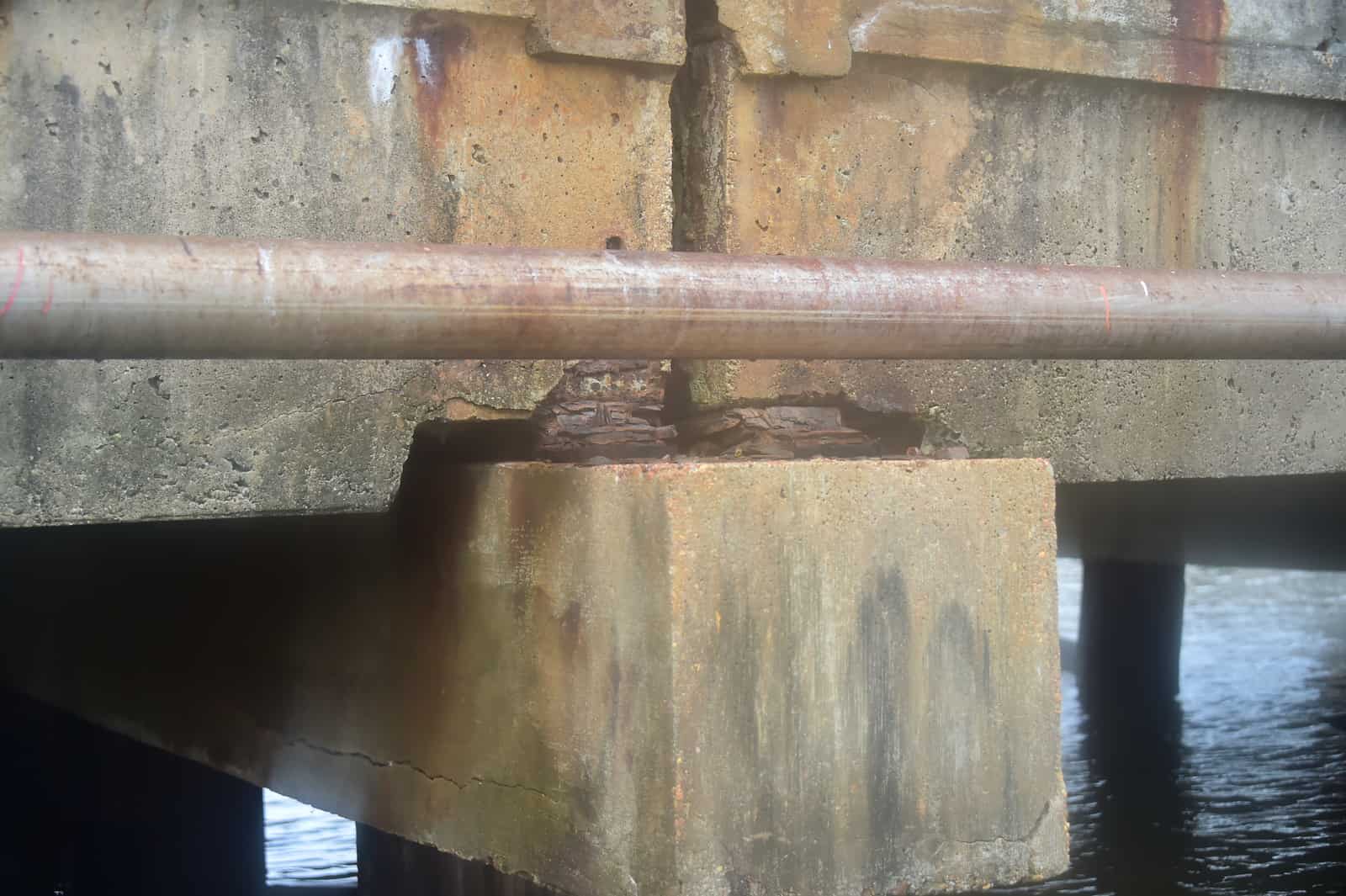
The repair schedule distinguished the treatment of different dock components instead of applying one detail throughout the structure. It also identified the expansion joint as an issue requiring attention. Access conditions, preparation limits, reinforcement assessment and final repair geometry were therefore integral to development of the rehabilitation plan. The carbon fiber recommendations required an engineered design tied to the deterioration identified in the survey.
Project significance
This project demonstrates the role of field investigation in marine concrete rehabilitation. By combining sounding with visual observations, Delta developed a component-specific basis for repair planning. The survey connected existing damage, access constraints and reinforcement requirements, giving the project team a more defined starting point for decisions about concrete restoration and composite strengthening.