SHSU Cracked Beam Composite Retrofit
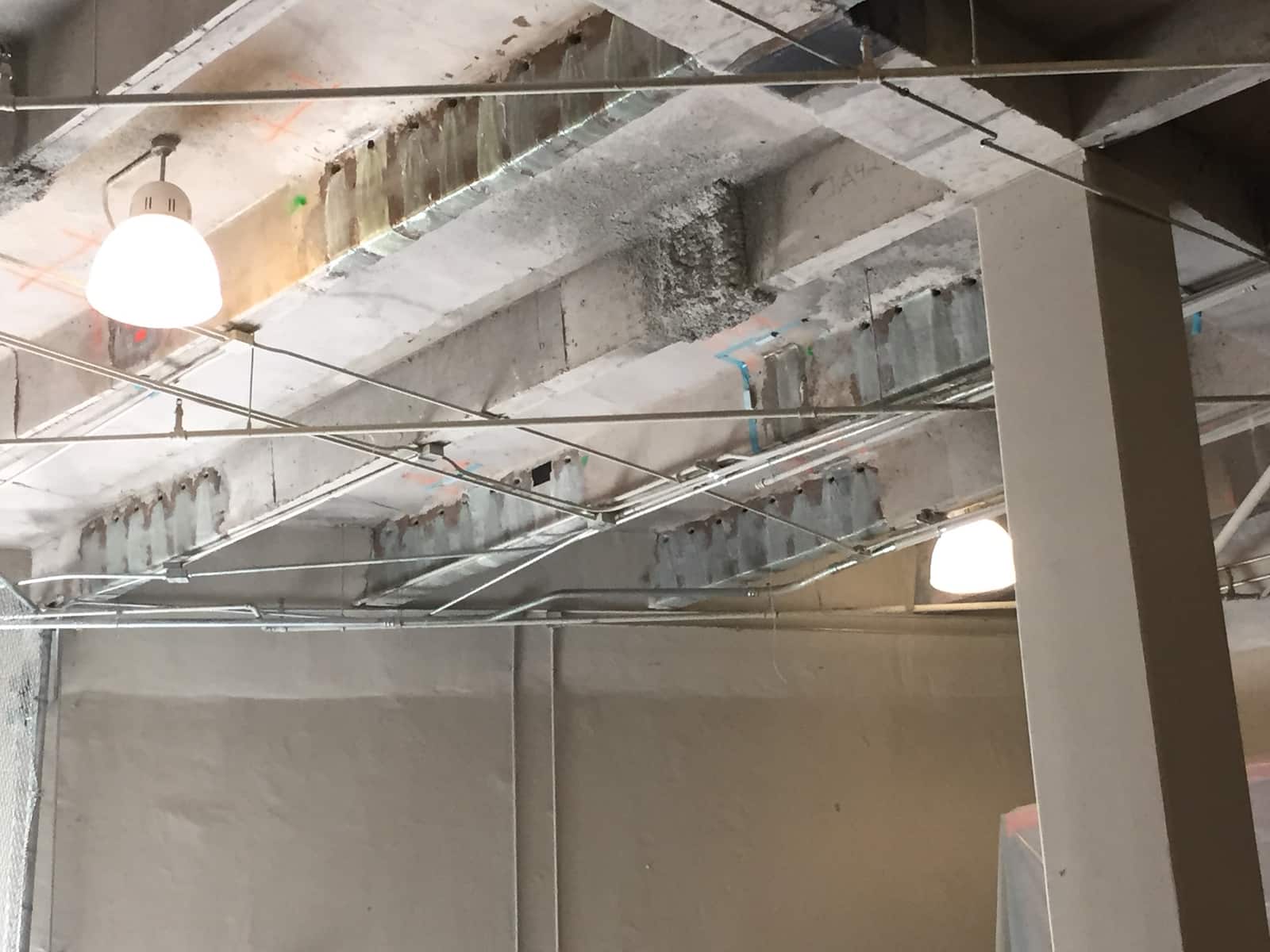
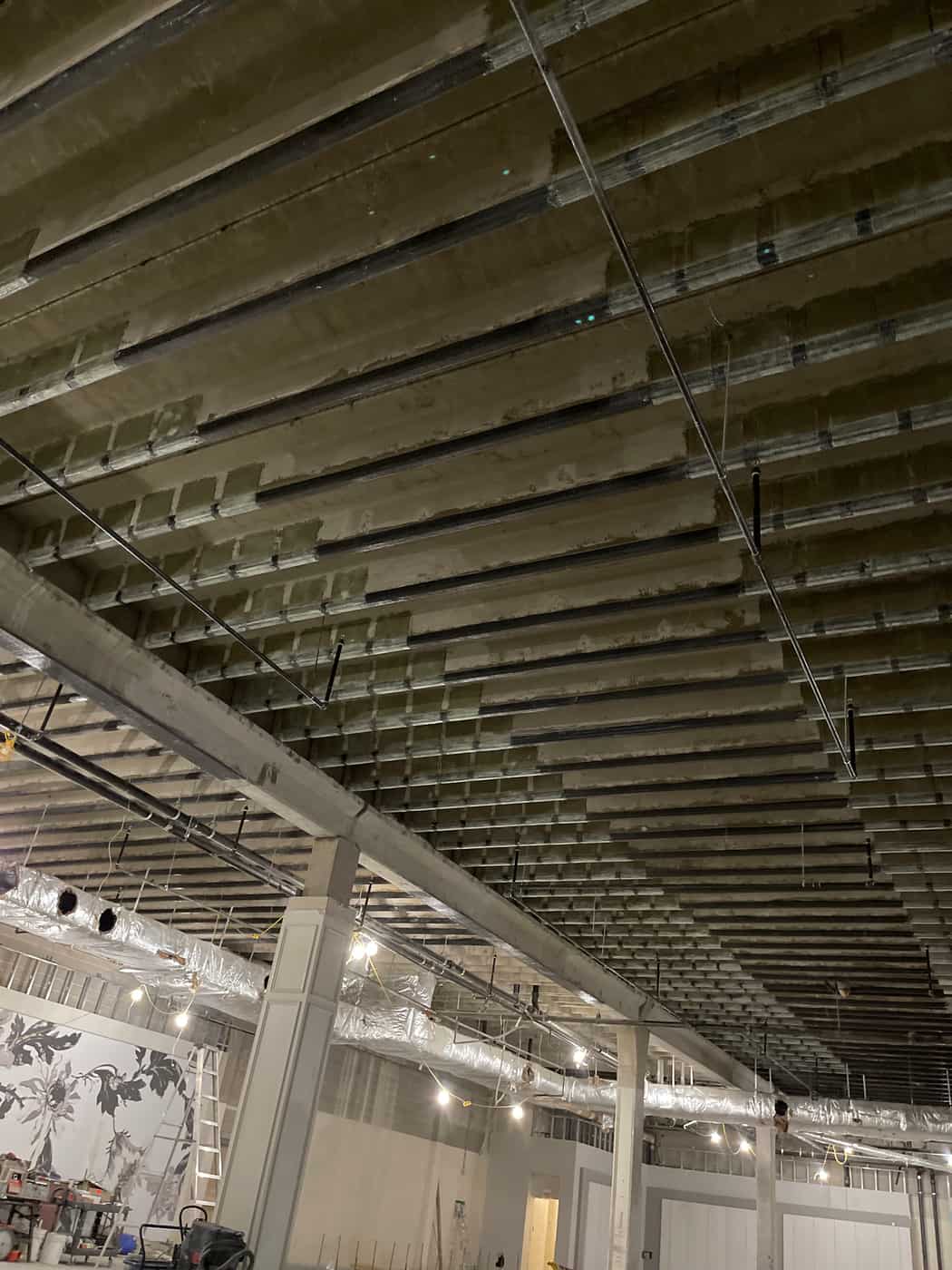
Underside double-tee reinforcement for SHSU’s cracked-beam project, using an engineered carbon fiber layout.
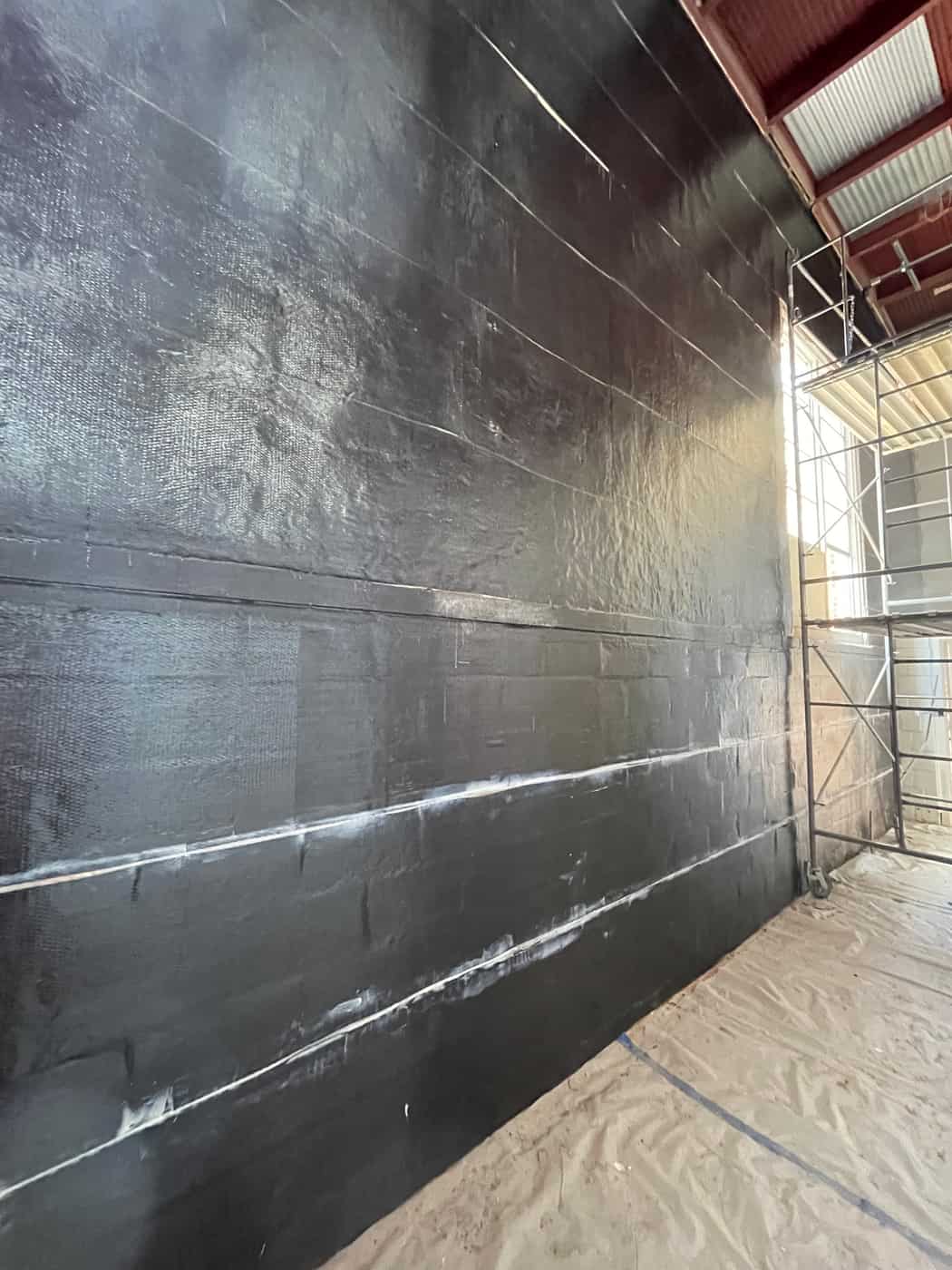
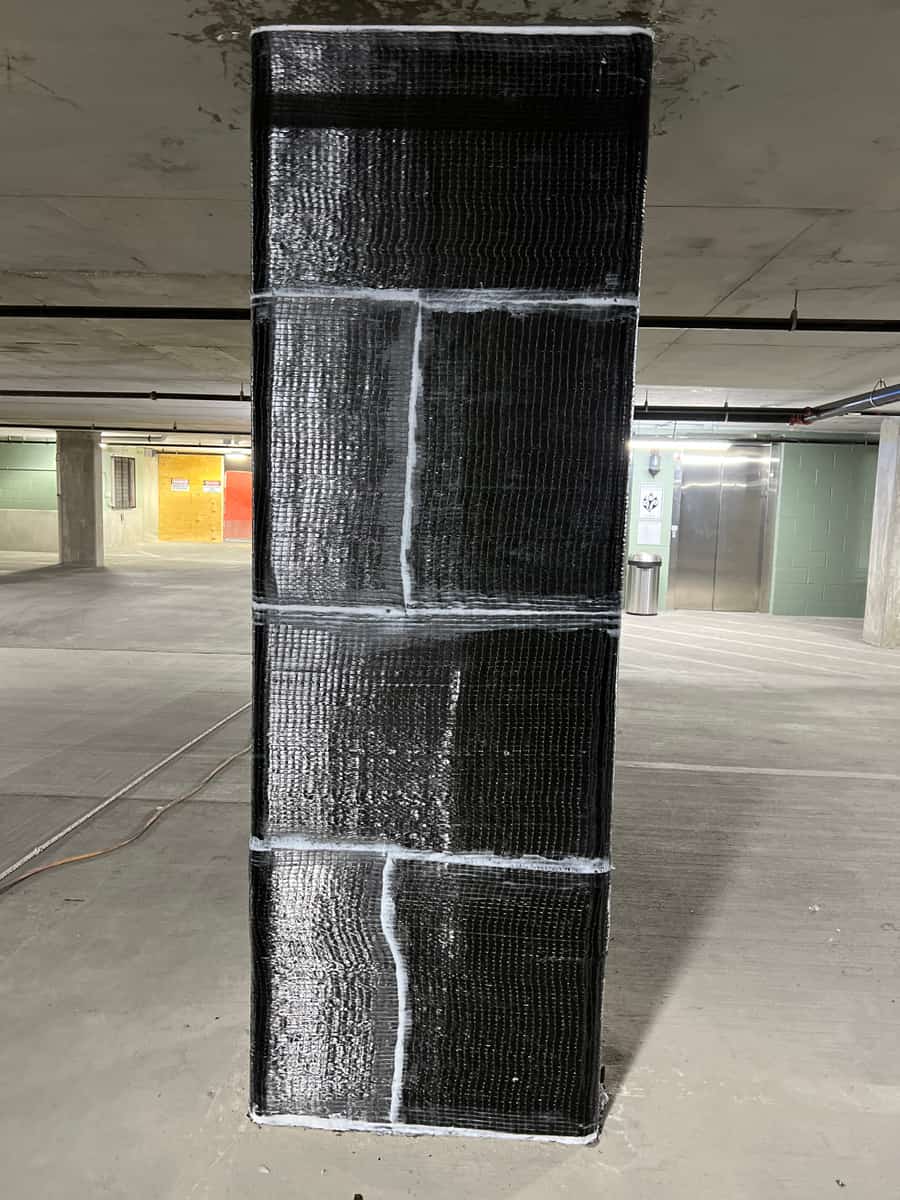
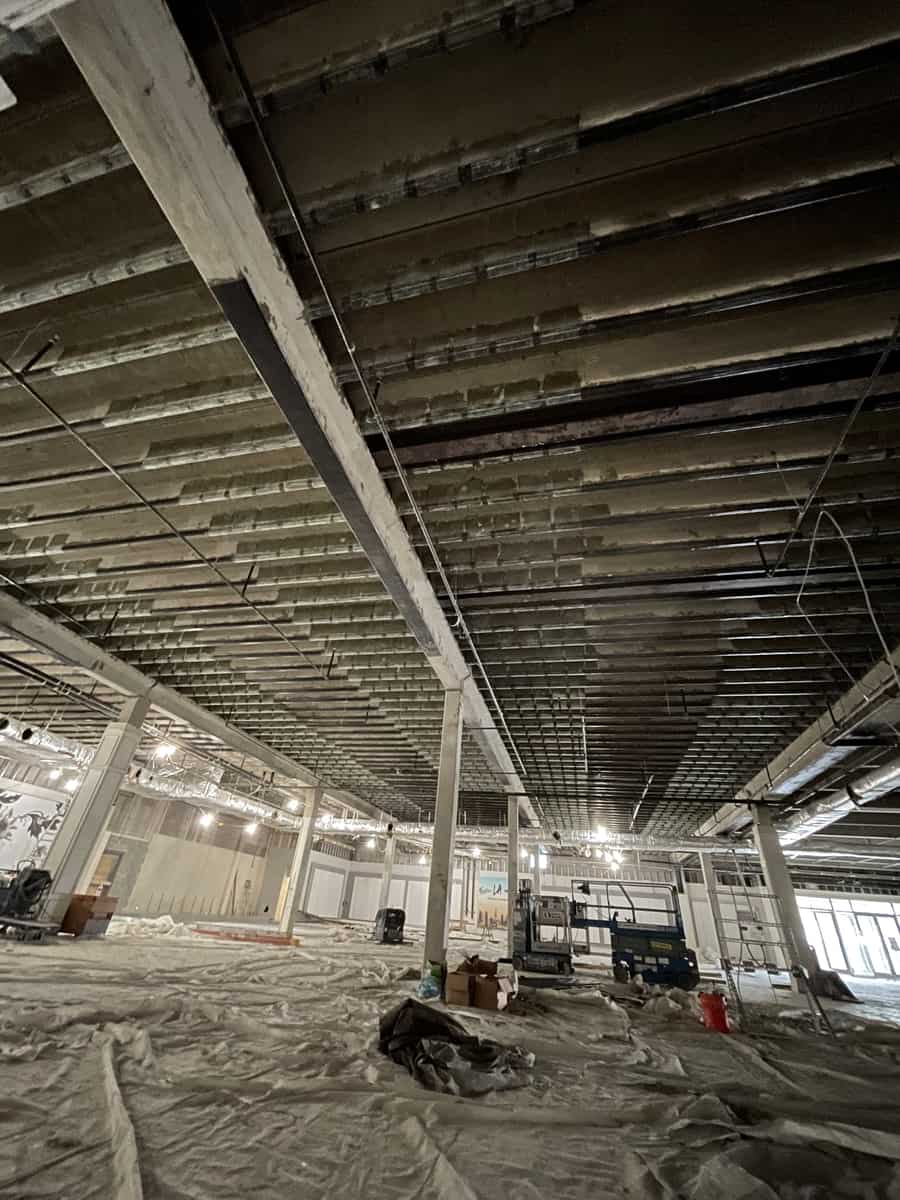
Delta Structural Technology completed a carbon fiber retrofit for the SHSU cracked-beam project. The scope developed for Vaughn Construction centered on strengthening the underside of a concrete double tee. The installation sequence linked an engineering repair detail with surface preparation, reinforcement layout and epoxy-bonded composite placement across the designated member.
- Market
- Education
- Services
- CFRP double-tee strengthening
- Structural members
- Concrete Beam Strengthening
Project challenge
The condition was identified as a cracked beam in the project scope, with the reinforcement detail referencing a double tee. This required the repair team to translate the specified treatment into an accessible underside installation area. Existing conduit also had to be considered because attachments could interfere with preparation or interrupt the planned carbon fiber layout.
Project approach
Delta based its scope on the SK-101 detail attributed to Fred Dally and a composite layout designed by Simpson Strong-Tie. The planned sequence included preparation of the work area, rolling-scaffold installation and concrete surface profiling. After layout, both the substrate and carbon fiber were to receive epoxy before the fabric was applied to the underside in accordance with the drawings. The final material extent was to follow the approved reinforcement design.
Delivery and coordination
Conduit removal or loosening was assigned to others, making unobstructed access a coordination requirement before installation. Delta included product and system submittals, along with the labor, materials and equipment for its reinforcement scope. The work plan provided for pull-off testing after curing if required by the project, linking any acceptance testing to the installed system’s cure sequence.
Project significance
The project presents a focused example of composite strengthening at a cracked concrete member in a university setting. Its defining feature was the underside double-tee treatment, supported by an identified engineering detail. Accurate layout, preparation and access were the practical steps connecting that detail to the reinforcement installation.