Tamu E2B
Texas A&M pier rehabilitation combined excavation, shoring, concrete restoration, carbon rods and surface-mounted CFRP with staged inspections.
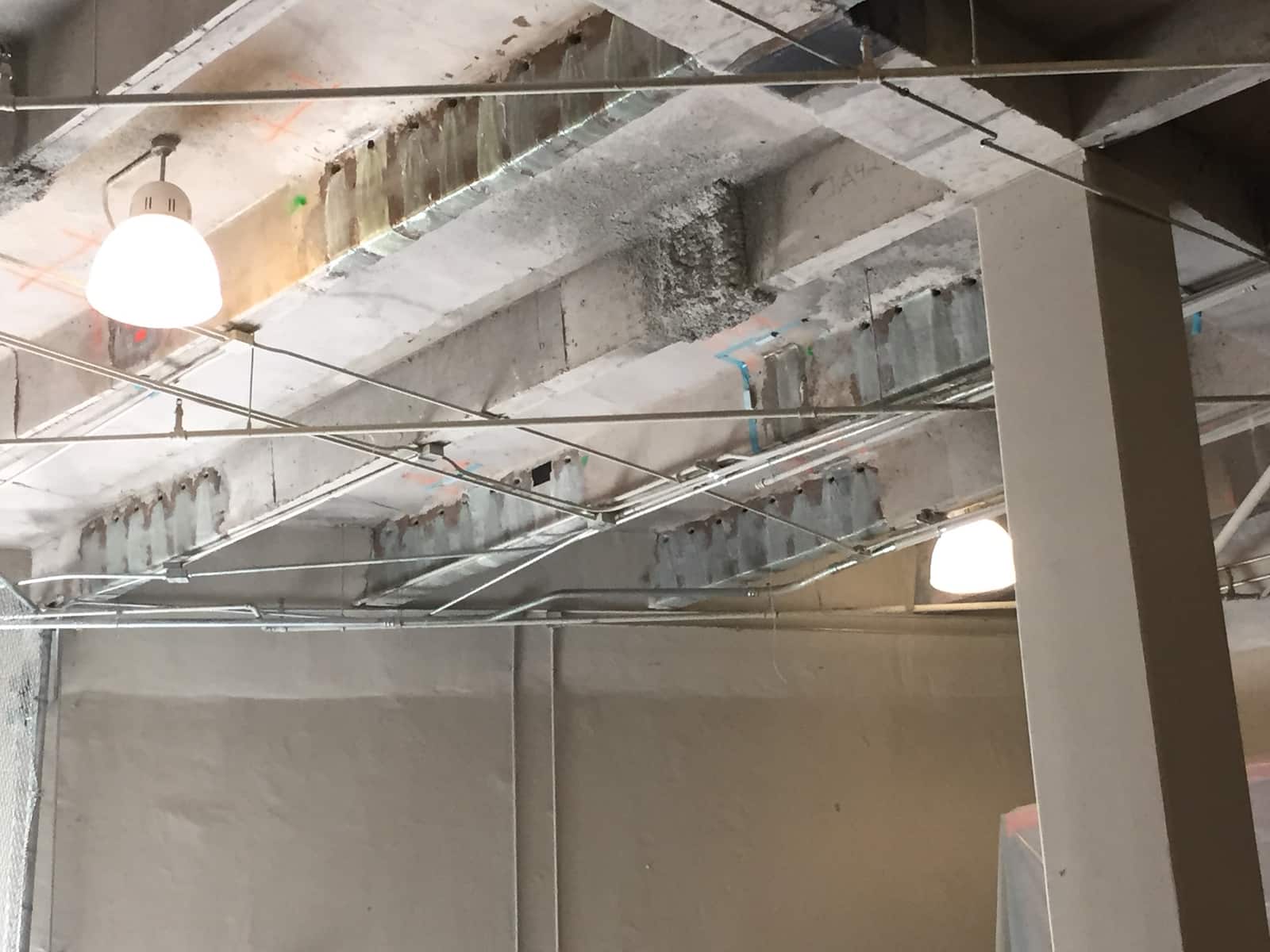
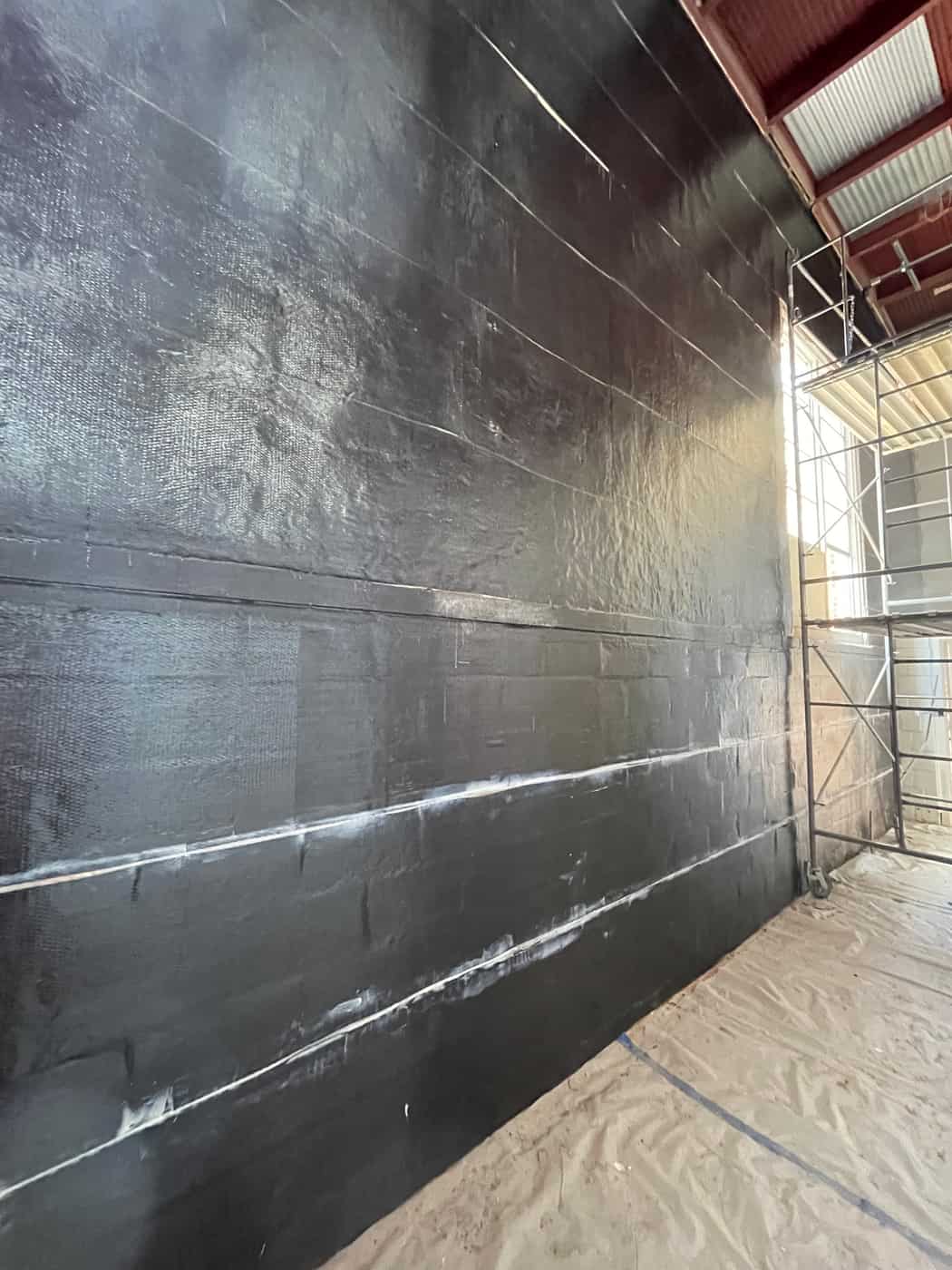
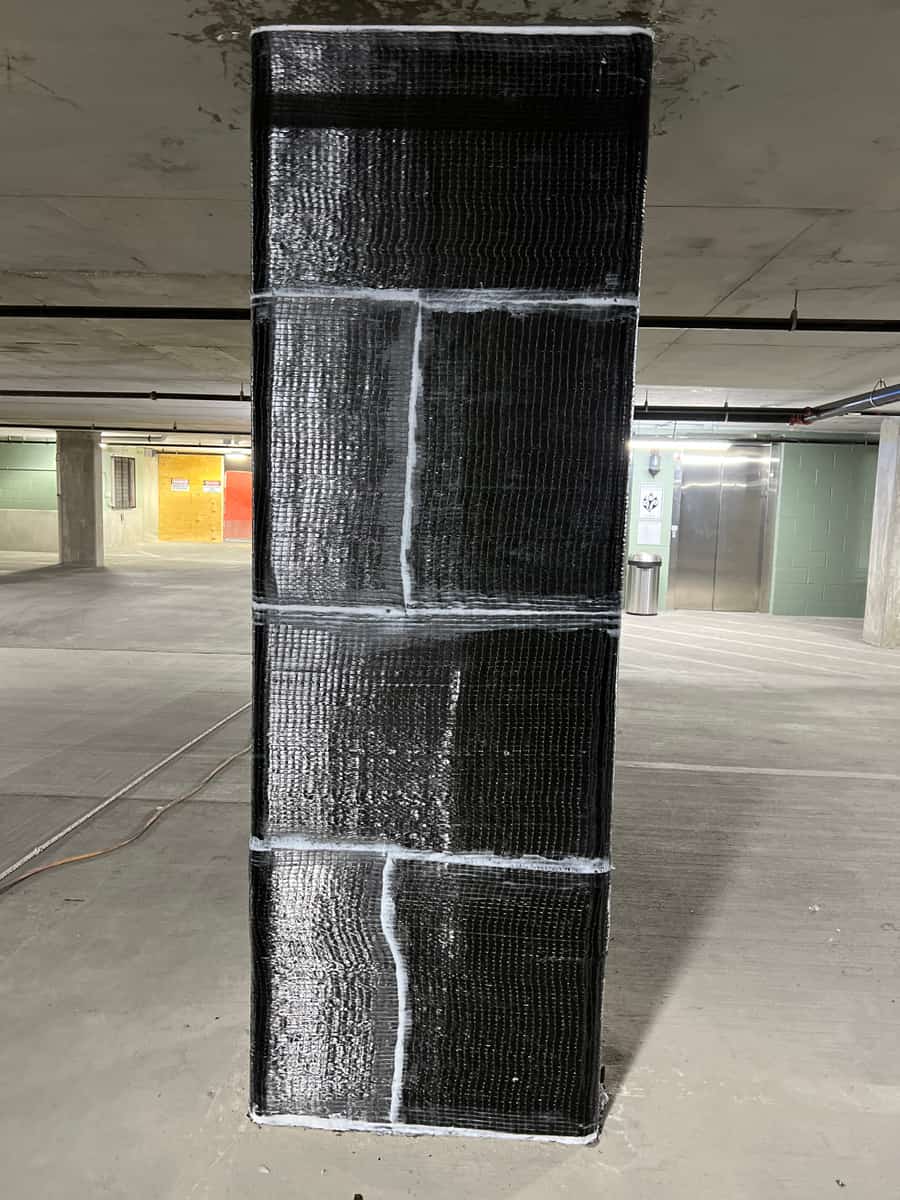
Delta Structural Technology completed the E2B pier repair project at Texas A&M. The repair concept combined excavation, designed shoring, concrete restoration, carbon rods and surface-mounted carbon FRP. Garner Consulting Group provided the strengthening design. The package addressed the pier extensions and joints as a coordinated repair sequence, including inspection stages before the completed work was covered or the temporary support removed.
- Market
- Education
- Services
- Concrete pier repair and composite strengthening
- Location
- Texas A&M University
Project challenge
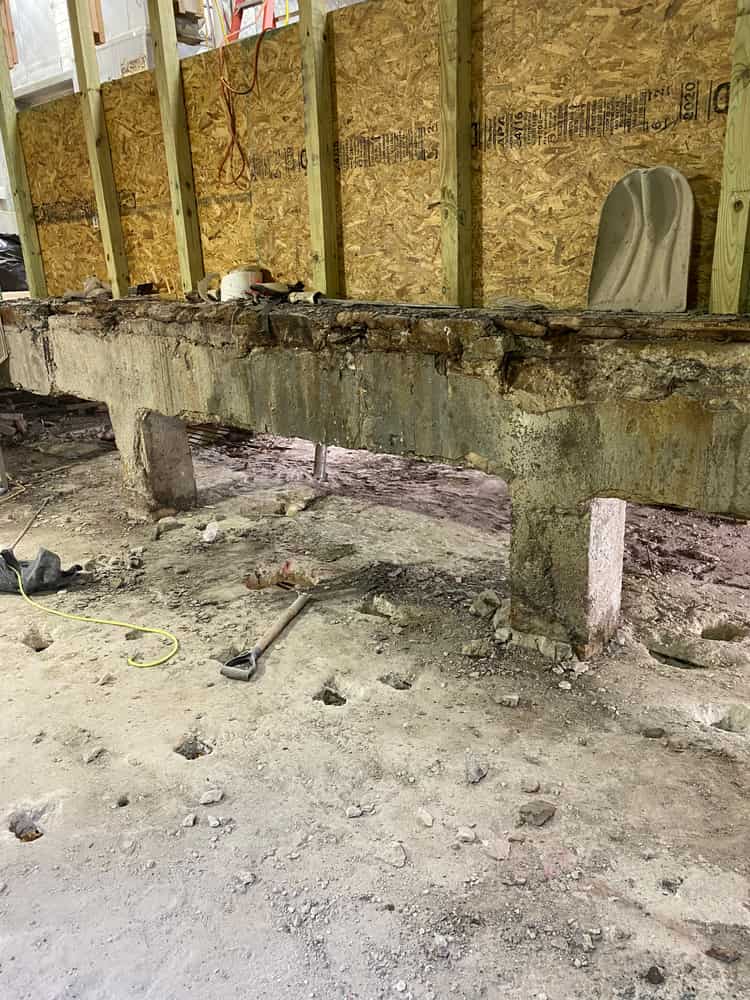
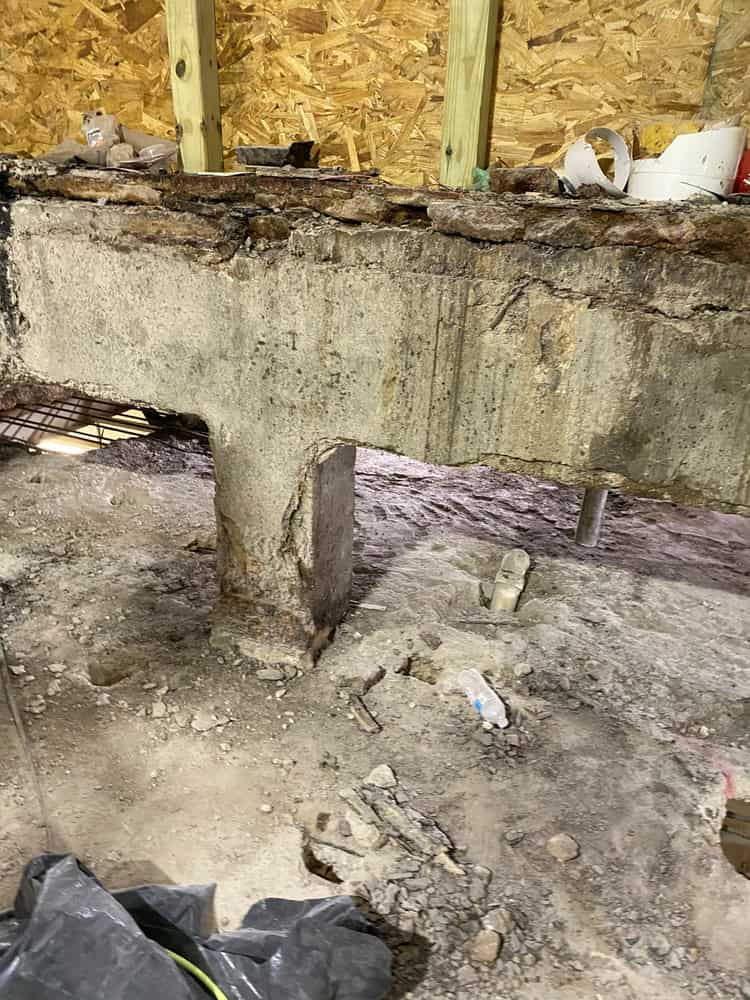
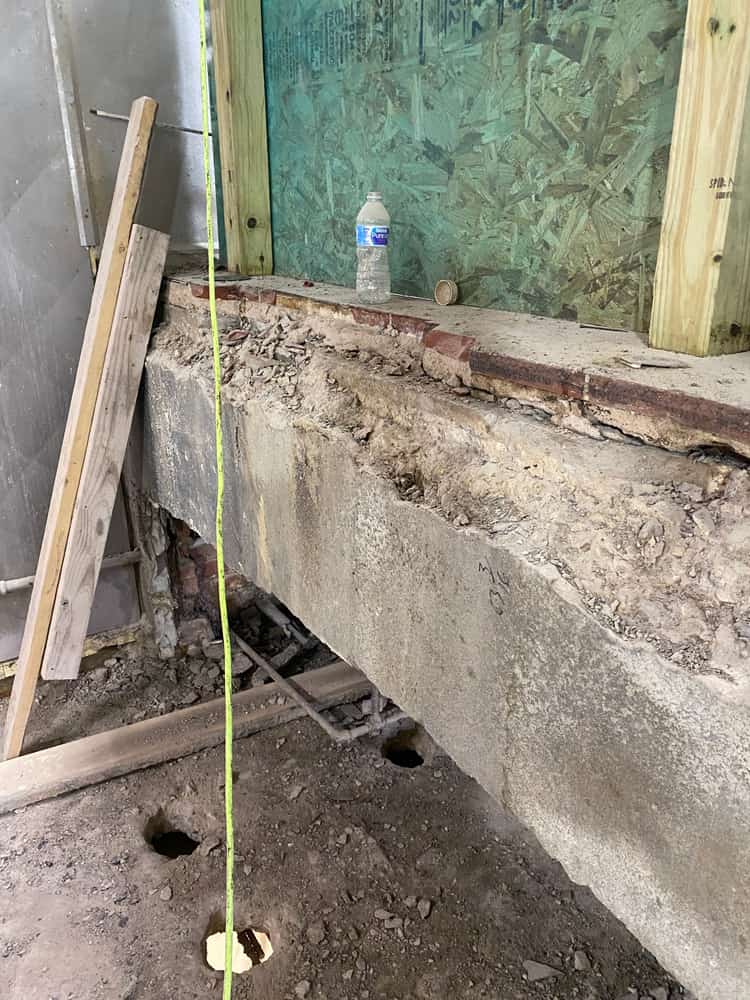
The existing piers required access below the surrounding grade and review of the concrete surface. Unsound material at the pier extension and joint had to be removed without exceeding the repair limits assumed by the engineer. Exposed reinforcement also required treatment. Those conditions made excavation, shoring and inspection part of the structural repair rather than ancillary site activities.
Project approach
The proposed sequence began with excavation around four piers and installation of shoring. Acoustic sounding was specified over the surfaces, followed by removal of failing concrete, treatment of exposed steel and repair with high-strength epoxy mortar. The design also called for vertical sawcuts and carbon rods, followed by surface-mounted CFRP and a UV-resistant coating. Crack injection was conditional on the cracks encountered.
Delivery and coordination
Delta’s proposal placed inspections between restoration, rod installation and FRP application. It included cured composite sample panels for testing and engineering coordination with the project manager. Garner’s responsibilities covered calculations, shop drawings, testing and site review. The scope also defined a threshold for deeper concrete removal to trigger further engineering involvement, keeping field discoveries connected to the design process.
Project significance
The E2B project illustrates a layered approach to pier rehabilitation: establish access and support, restore the member, install the reinforcing components and verify the work at meaningful stages. Its distinguishing feature is the integration of temporary works and inspection with the permanent repair. That coordination is central when a structural retrofit extends into concealed or below-grade conditions.