SeaTac North Satellite Terminal
Delta’s concourse FRP scope at SeaTac was coordinated around defined locations within the North Satellite Terminal renovation.
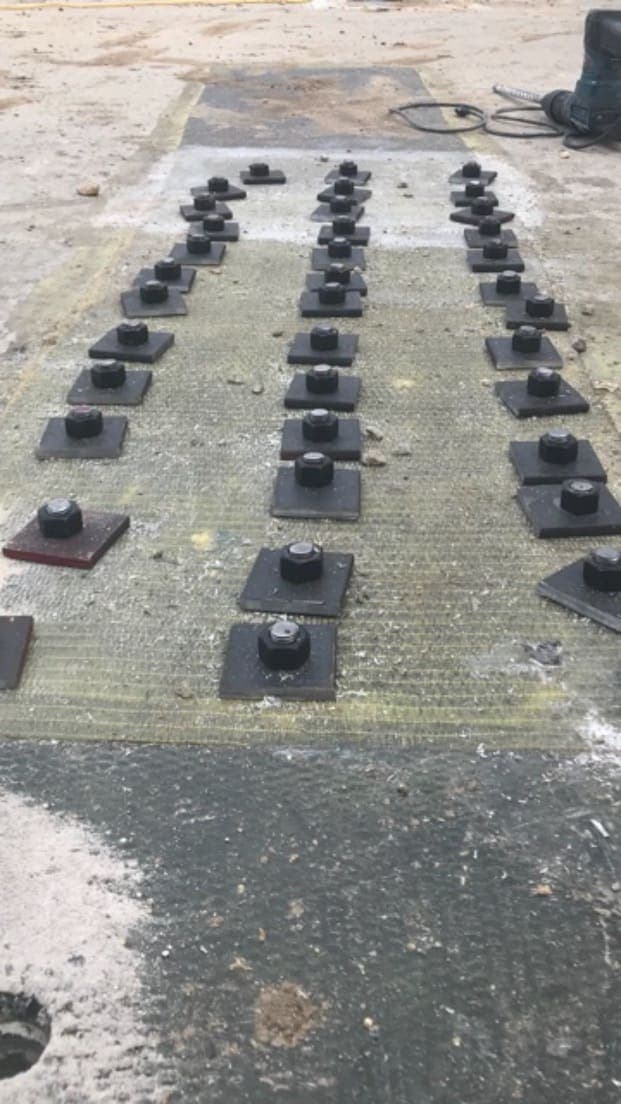
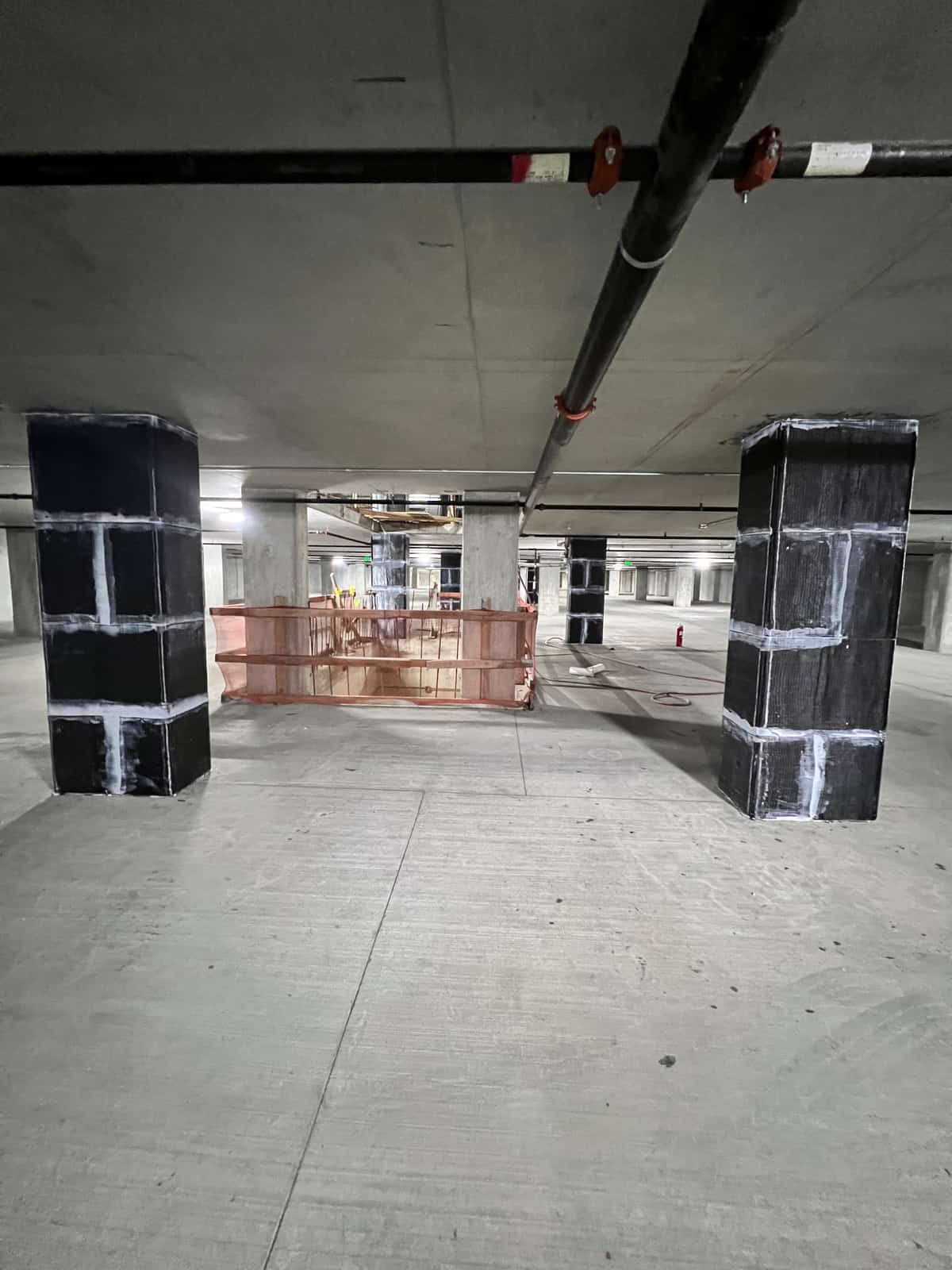
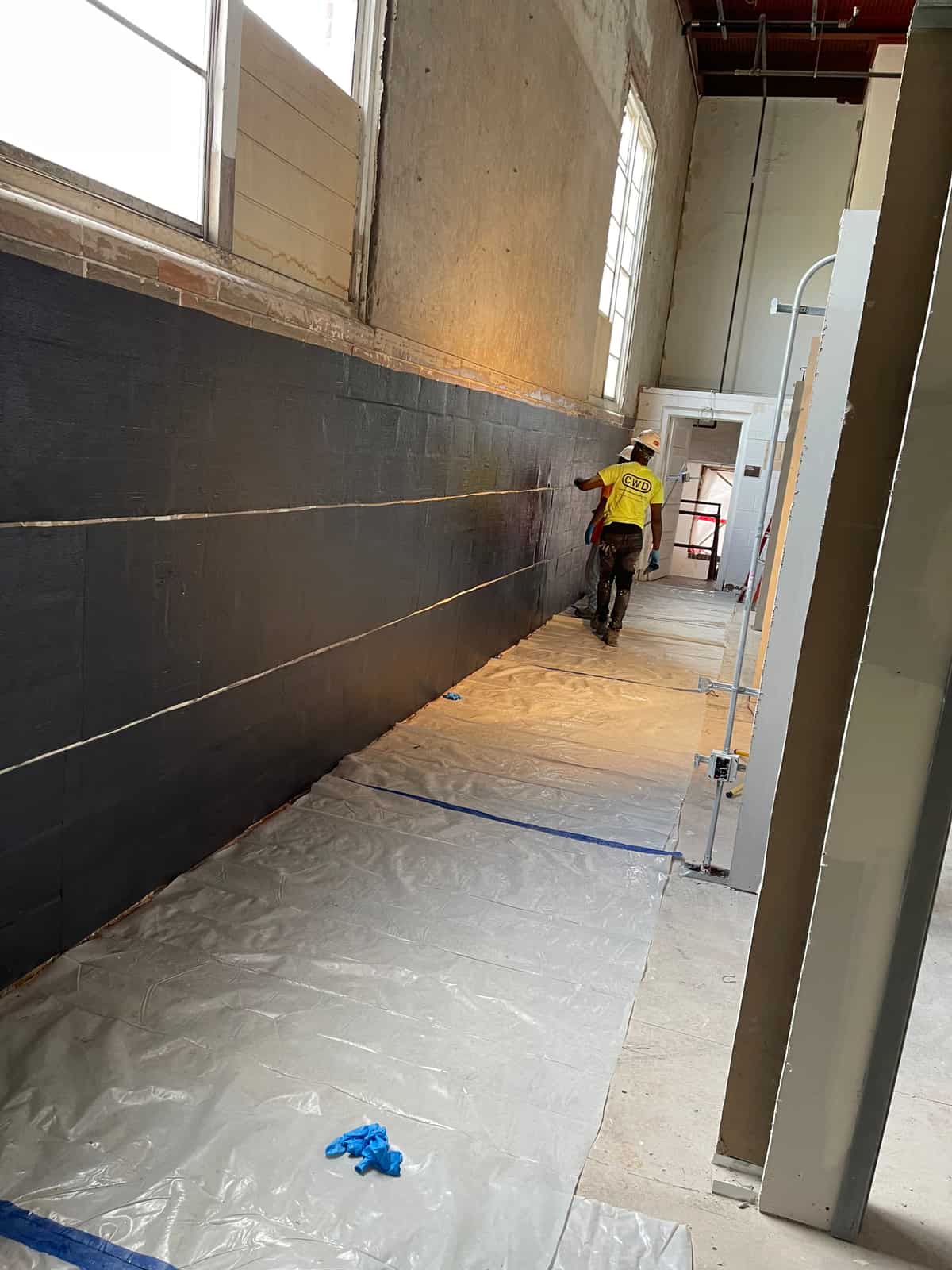
Delta Structural Technology performed FRP work on the concourse level of SeaTac’s North Satellite Terminal. Delta’s completed work was identified at grid lines 5 and 13. The engineering package included externally bonded glass FRP for reinforced masonry, connecting a defined composite material and orientation with the structural strengthening requirements of the terminal work.
Project challenge
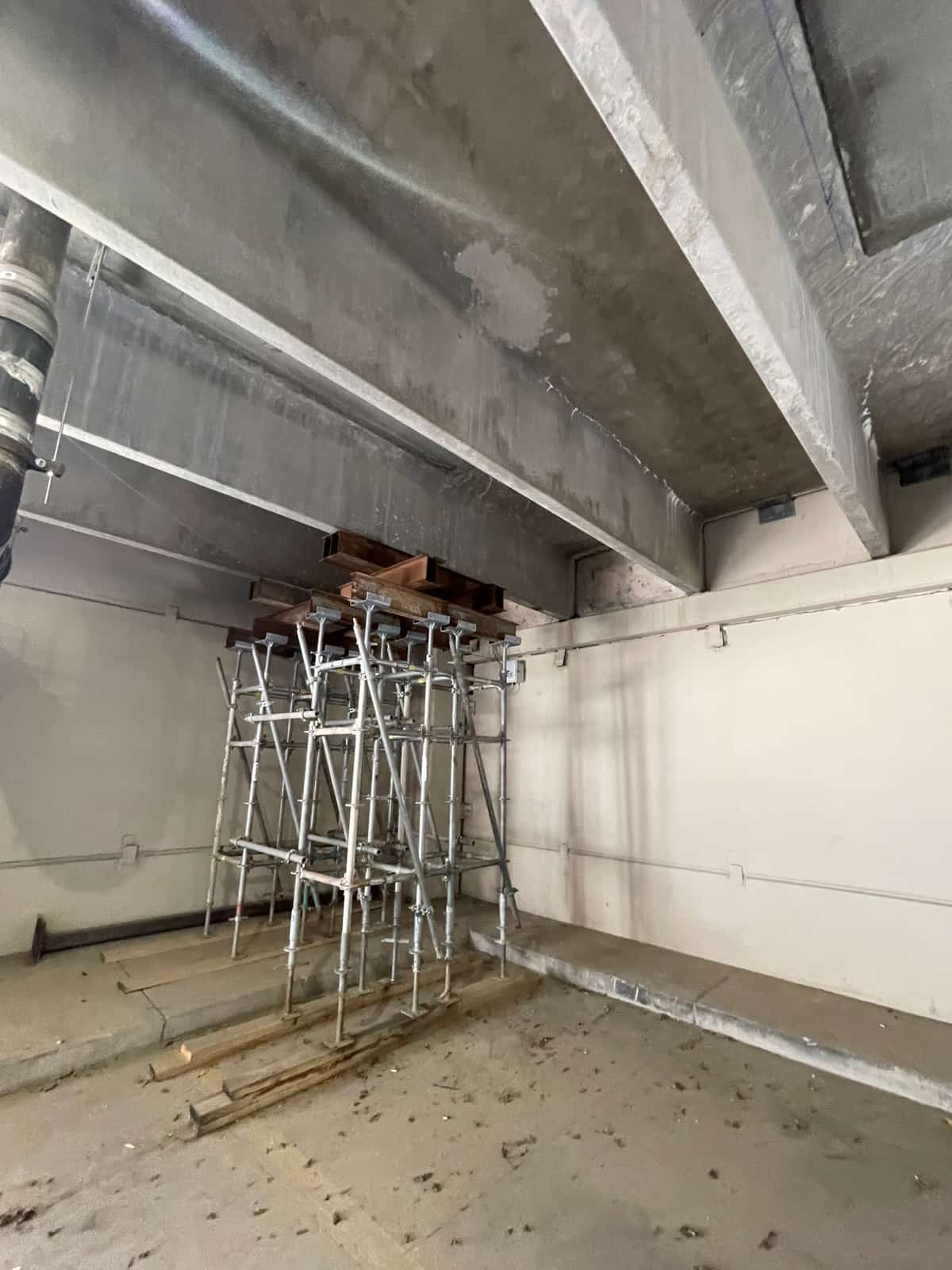
The masonry-strengthening design required coordination of the reinforcement system with the terminal’s existing structure and penetration details. The project also involved separate areas and levels, so the boundaries of each installation scope needed to remain clear. The concourse work performed by Delta formed one portion of the broader terminal FRP effort.
Project approach
The composite engineering package used a glass-fiber system in the reinforced-masonry calculations and identified fiber orientation as a design parameter. Supporting specifications addressed product data, safety information, material evaluation, and testing references. Those elements tied the reinforcement detail to the system proposed for installation. Delta’s field work was associated with the concourse locations identified in the project coordination correspondence.
Delivery and coordination
Coordination brought together Delta, the composite supplier, MidMountain Contractors, Hensel Phelps, and the Port. The project correspondence arranged a joint review of Delta’s concourse work at grid lines 5 and 13. The remaining terminal scope was separately managed, making location-specific handoff and review important to describing the work performed by each team.
Project significance
SeaTac illustrates the importance of clearly defined scope boundaries in a multi-area terminal renovation. The technical design, installation locations, and review responsibilities must remain connected as work progresses across different levels. A location-specific account preserves that connection and makes the composite scope understandable within the larger project.