West Austin Landscaping Load Retrofit
Carbon fiber retrofit addressing additional landscaping loads through shear and flexural reinforcement of existing concrete framing.
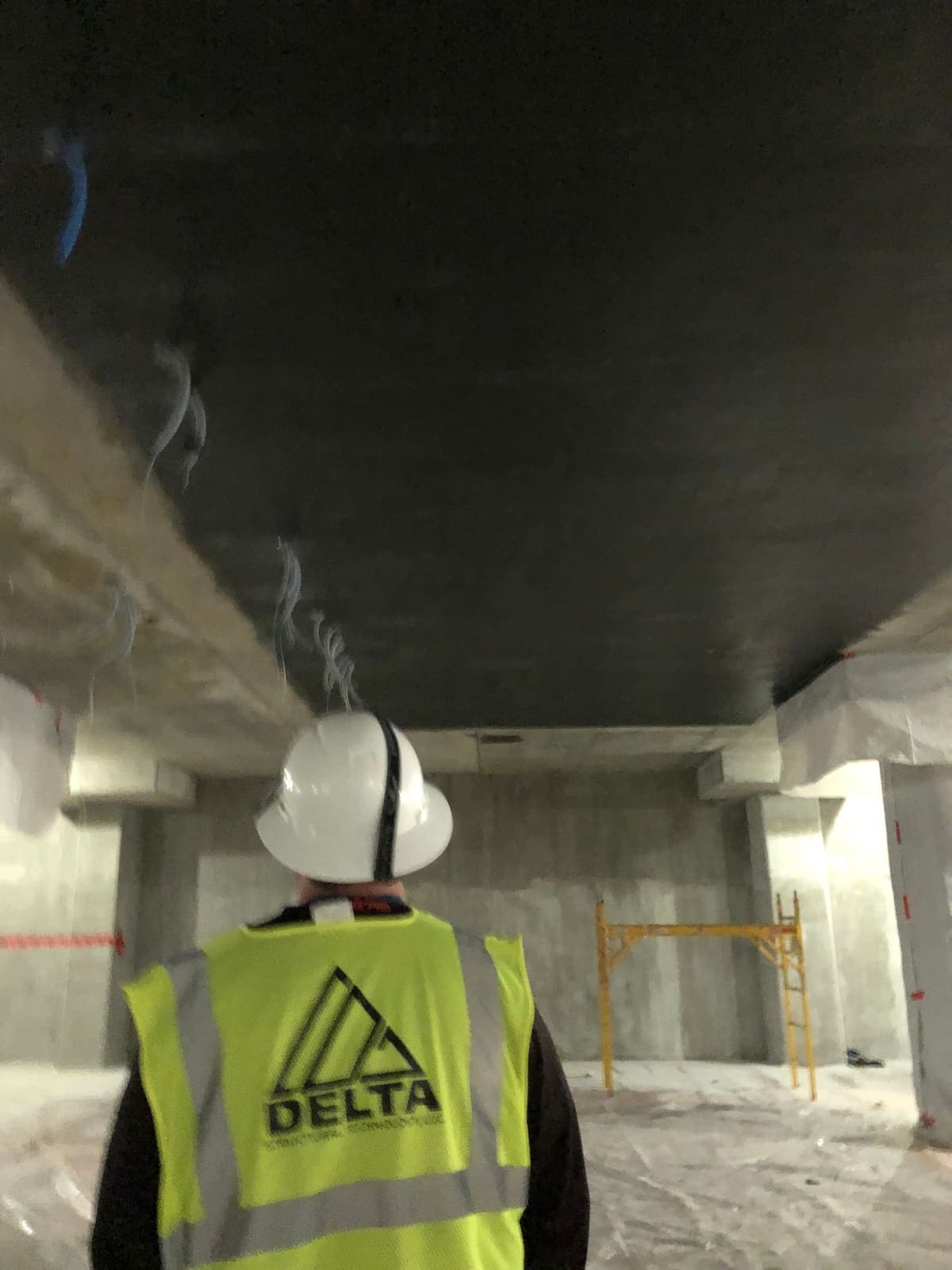
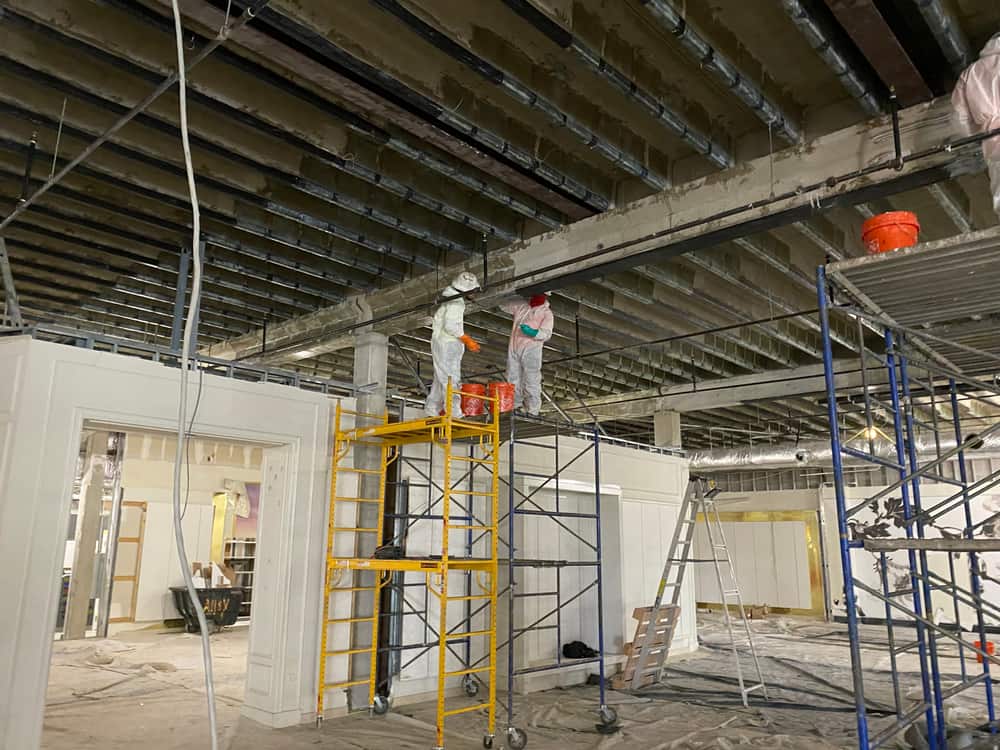
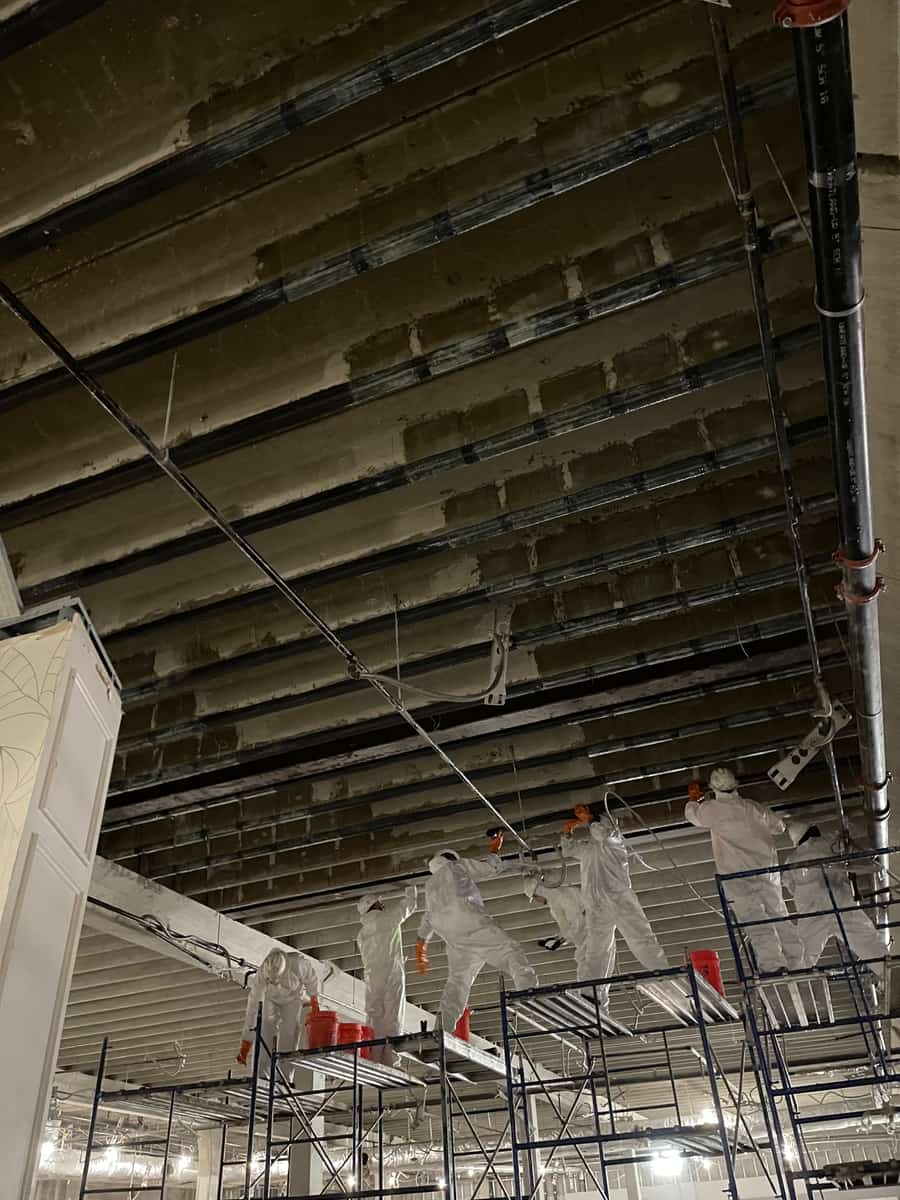
Delta Structural Technology completed a carbon fiber strengthening project at West Austin in Austin, Texas. The reinforcement scope responded to existing loads and proposed landscaping loads identified by WPM Engineering. Developed for Turner Construction, the project addressed both shear and flexural requirements through a composite system applied to the designated concrete members.
- Market
- Commercial
- Services
- CFRP shear and flexural strengthening
- Location
- Austin, Texas
Project challenge
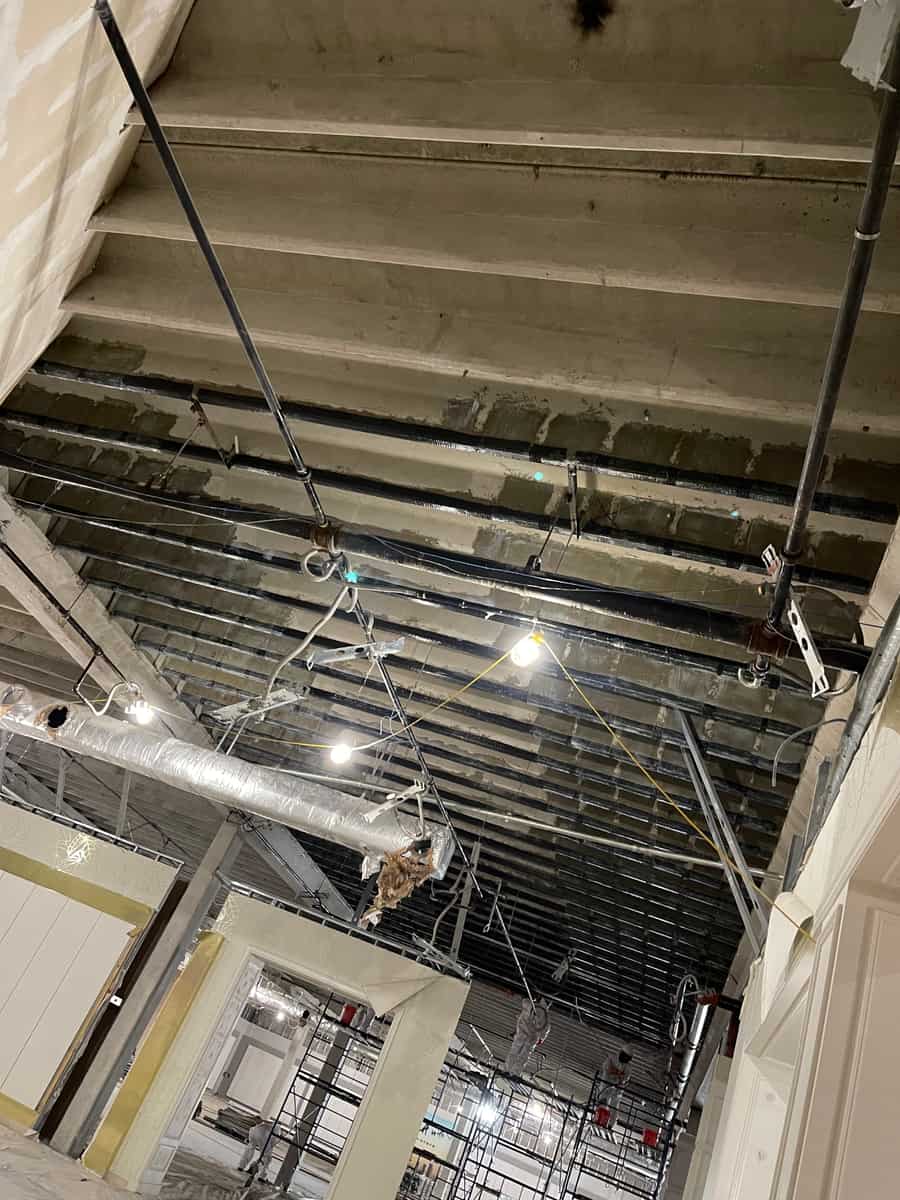
New landscaping loads introduced a structural requirement beyond the observed existing loading. The reinforcement design therefore had to relate the revised load condition to the existing concrete framing. The design basis included assumptions about concrete strength and joist depth, making the existing member configuration an important part of the strengthening calculation.
Project approach
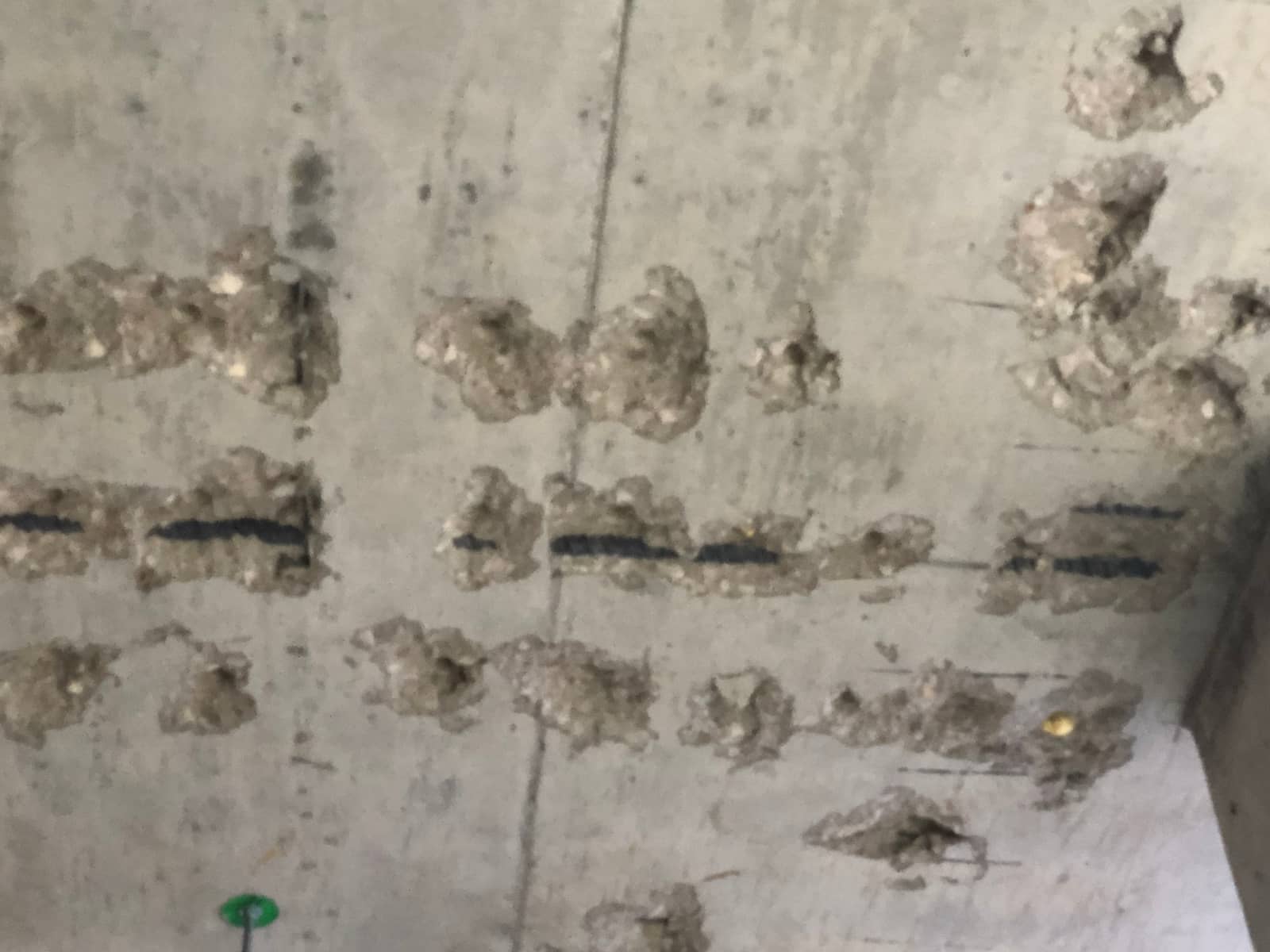
Delta’s scope included staging, system scaffolding and concrete surface preparation before carbon fiber installation. The composite system was to follow the structural drawings and the approved reinforcement layout. The planned treatment addressed shear and flexure as separate structural requirements arising from the loading assessment. The installation detail depended on the engineering design and its confirmed assumptions about the existing framing.
Delivery and coordination
Coordination connected Turner Construction’s site work with the loading information identified by WPM Engineering. Delta included system submittals, shop drawings and preparation of the concrete at the designated reinforcement surfaces. The access plan and receiving-surface conditions had to be resolved before placement. The scope thus linked the landscape-related loading change to a defined concrete strengthening installation.
Project significance
This project illustrates structural strengthening driven by a change in the use and loading of an existing area. The distinctive issue was the added landscaping load, rather than a stated isolated damage event. The case shows how a revised load requirement can be translated into a focused composite retrofit of existing framing.