Citizens Tower
Citizens Tower tunnel repairs used wetting to expose cracks before targeted water-stop injection.
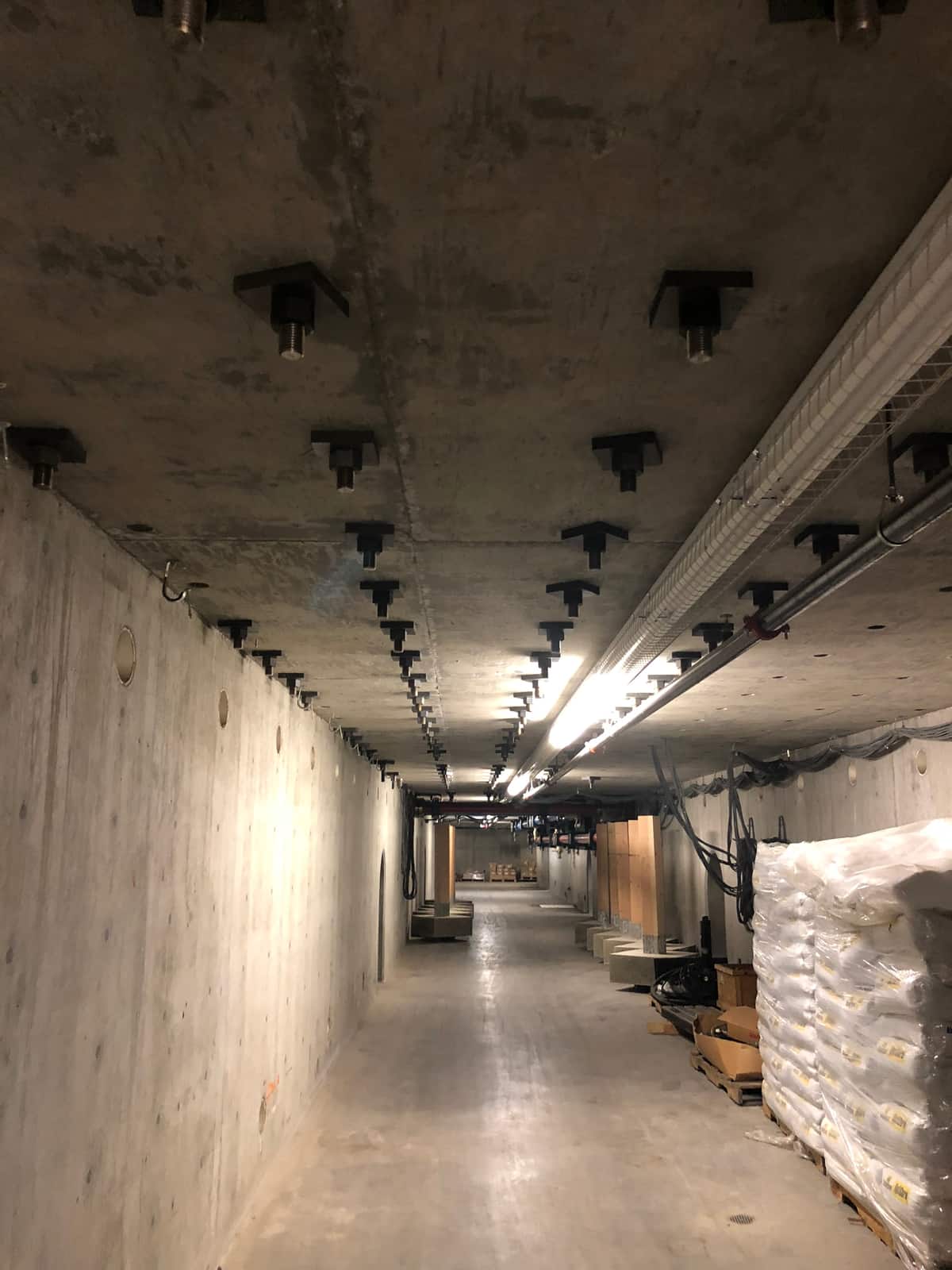
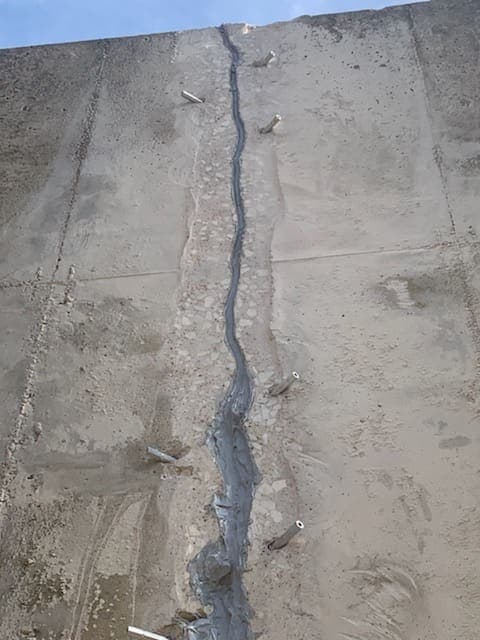
Delta Structural Technology completed water-stop injection work at the Citizens Tower tunnel in Lubbock. The repair concept began by wetting the structure to expose the cracks requiring treatment, followed by port installation and injection of water-stop material. The approach focused on locating and treating water paths in the existing tunnel structure.
- Market
- Civic & Institutional
- Services
- Tunnel water-stop crack injection
- Location
- Lubbock, Texas
Project challenge
The repair depended on making the relevant cracks visible before injection. The proposed wetting period was intended to reveal the paths through which water was moving, allowing the crew to define the treatment locations. This was a water-control scope in an existing structure, requiring a clear distinction between locating leakage and carrying out the injection itself.
Project approach
Delta’s proposal called for mobilization, wetting the structure for twenty-four hours, then porting and injecting water-stop material at the identified cracks. Cleaning and demobilization completed the listed sequence. The proposed treatment length provided a planning basis, while the preparation step connected the injection locations to the observed behavior of the structure under wet conditions.
Delivery and coordination
Delta coordinated the scope with Lee Lewis Construction. The work package defined the sequence from exposing the cracks through completing the injection, giving the contractor a concrete basis for access and schedule planning. The method kept the water-detection step ahead of material installation, rather than assuming that every relevant leakage path could be established from a dry surface alone.
Project significance
The Citizens Tower case illustrates a targeted approach to water migration through existing concrete. The project’s distinguishing feature is the deliberate wetting step used to expose cracks before injection. It demonstrates how locating the active treatment paths can be integrated into the repair scope, supporting a more clearly defined water-stop operation within a tunnel environment.